
Author : FORTINET
“`html
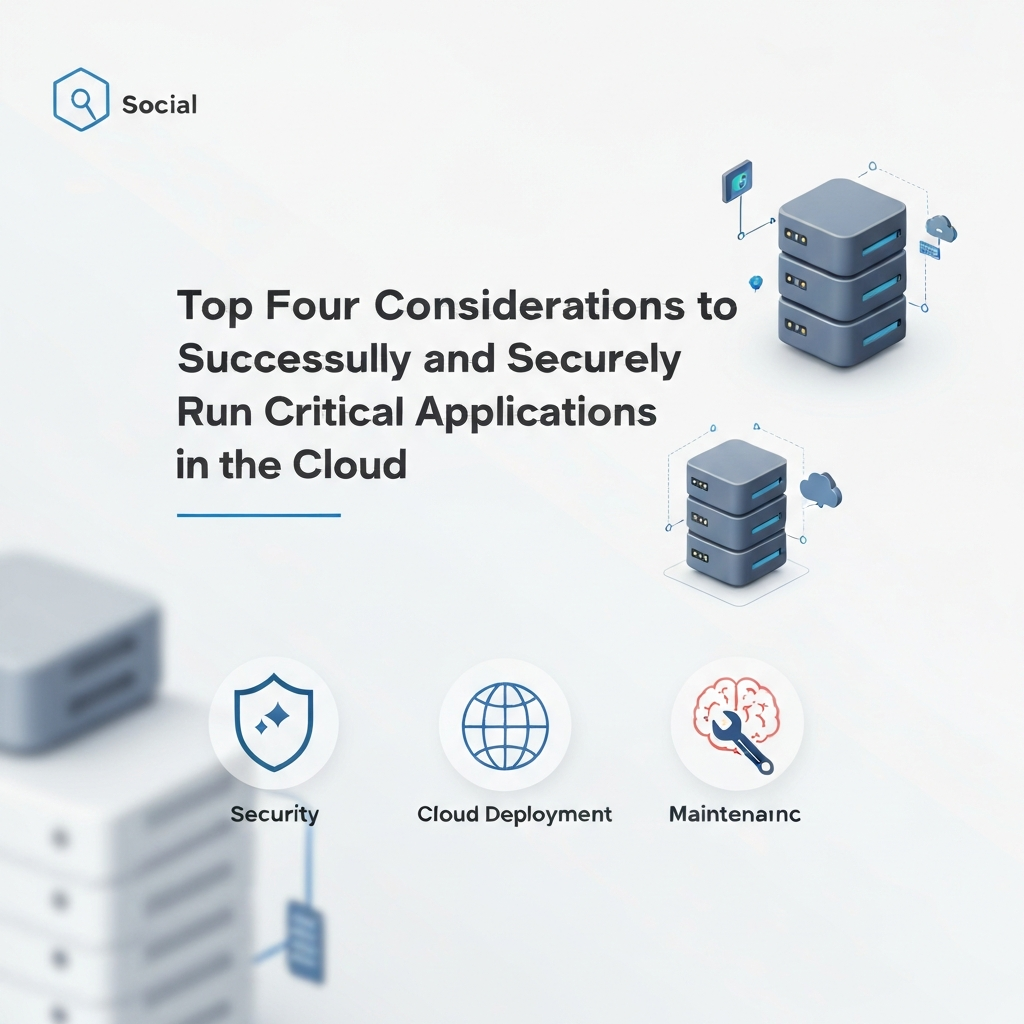
Top Four Considerations to Successfully and Securely Run Critical Applications in the Cloud
In today’s fast-paced digital landscape, the cloud has become the cornerstone of modern business operations. Organizations across industries are leveraging its power to modernize their operations, foster rapid innovation, and drive substantial growth. The cloud offers unparalleled scalability, agility, and cost-effectiveness. But with this shift comes the critical need to ensure the security and seamless performance of your critical applications. This guide will walk you through the top four essential considerations to successfully and securely run your most vital applications in the cloud.
Introduction
The 2022 Cloud Security Report highlights a significant trend: almost 40% of enterprises are running more than half of their workloads in the cloud, a number expected to rise to nearly 60% by 2024. This widespread adoption underscores the importance of a robust cloud strategy. As you move your critical applications to the cloud, you need a proactive approach to security and performance. This is not just about moving data; it’s about transforming your operational model to fully leverage the cloud’s potential while mitigating risks.
The Top Four Considerations
1. Comprehensive Security Strategy
Security is paramount. A piecemeal approach to security is no longer sufficient. Instead, you need a holistic security strategy that covers all aspects of your cloud environment. This involves:
- Implementing Robust Access Controls: Utilize multi-factor authentication (MFA), role-based access control (RBAC), and principle of least privilege to ensure only authorized users and applications can access sensitive data and resources.
- Data Encryption: Encrypt data at rest and in transit. This helps protect your data from unauthorized access, even if your infrastructure is compromised.
- Regular Security Audits and Vulnerability Assessments: Conduct these assessments frequently to identify and address potential weaknesses in your security posture.
- Threat Detection and Response: Implement advanced threat detection systems that leverage machine learning and behavioral analysis to identify and respond to threats in real time.
2. Optimized Performance and Scalability
The cloud’s inherent scalability is a major draw, but you must optimize your applications to take full advantage. Consider the following:
- Right-Sizing Resources: Choose the appropriate instance sizes and resource allocations for your applications to ensure optimal performance without overspending.
- Load Balancing: Implement load balancing to distribute traffic across multiple instances of your application, preventing bottlenecks and ensuring high availability.
- Automated Scaling: Configure your cloud environment to automatically scale resources up or down based on demand, optimizing costs and performance.
- Performance Monitoring: Utilize monitoring tools to track key performance indicators (KPIs), such as latency, throughput, and error rates, to identify and address performance issues proactively.
3. Data Backup and Disaster Recovery
Data loss can be catastrophic. A solid data backup and disaster recovery (DR) plan is critical for business continuity. Ensure you:
- Implement Regular Backups: Schedule automated backups of your data and applications.
- Offsite Data Storage: Store backups in a separate geographic location to protect against regional disasters.
- DR Planning and Testing: Develop a detailed disaster recovery plan, and regularly test it to ensure it functions as expected.
- Automated Failover: Configure automated failover mechanisms to quickly restore your applications in the event of an outage.
4. Cost Management and Optimization
While the cloud offers cost benefits, these can be easily offset by poor management. Employ the following strategies:
- Monitor Cloud Spending: Use cloud provider tools to track and analyze your spending patterns.
- Right-Sizing Resources (Again): Continuously evaluate your resource usage and adjust instance sizes as needed.
- Reserved Instances and Savings Plans: Take advantage of reserved instances and savings plans offered by cloud providers to reduce costs.
- Automation: Automate infrastructure provisioning and management to reduce operational costs and improve efficiency.
Conclusion
Successfully running critical applications in the cloud requires a proactive, strategic approach. By focusing on security, performance, scalability, data protection, and cost management, you can unlock the full potential of the cloud. Embrace these four key considerations, and you’ll be well on your way to a secure, efficient, and cost-effective cloud environment that supports your business goals.
Frequently Asked Questions (FAQ)
Q: What is the biggest security risk in the cloud?
A: Misconfiguration of cloud services is a significant risk. This can lead to data breaches and unauthorized access. Regularly review and update your configurations.
Q: How can I optimize costs in the cloud?
A: Monitor spending, right-size your resources, utilize reserved instances and savings plans, and automate infrastructure management to minimize costs.
Q: How often should I back up my cloud data?
A: The frequency of backups depends on your Recovery Point Objective (RPO) and Recovery Time Objective (RTO). For critical applications, daily or more frequent backups are recommended.
Q: What is the importance of a disaster recovery plan?
A: A DR plan ensures business continuity by outlining the steps to recover your applications and data in the event of an outage or disaster, minimizing downtime and data loss.
“`