
Author : REDHAT
“`html
Top Considerations for Building a Modern Edge Infrastructure
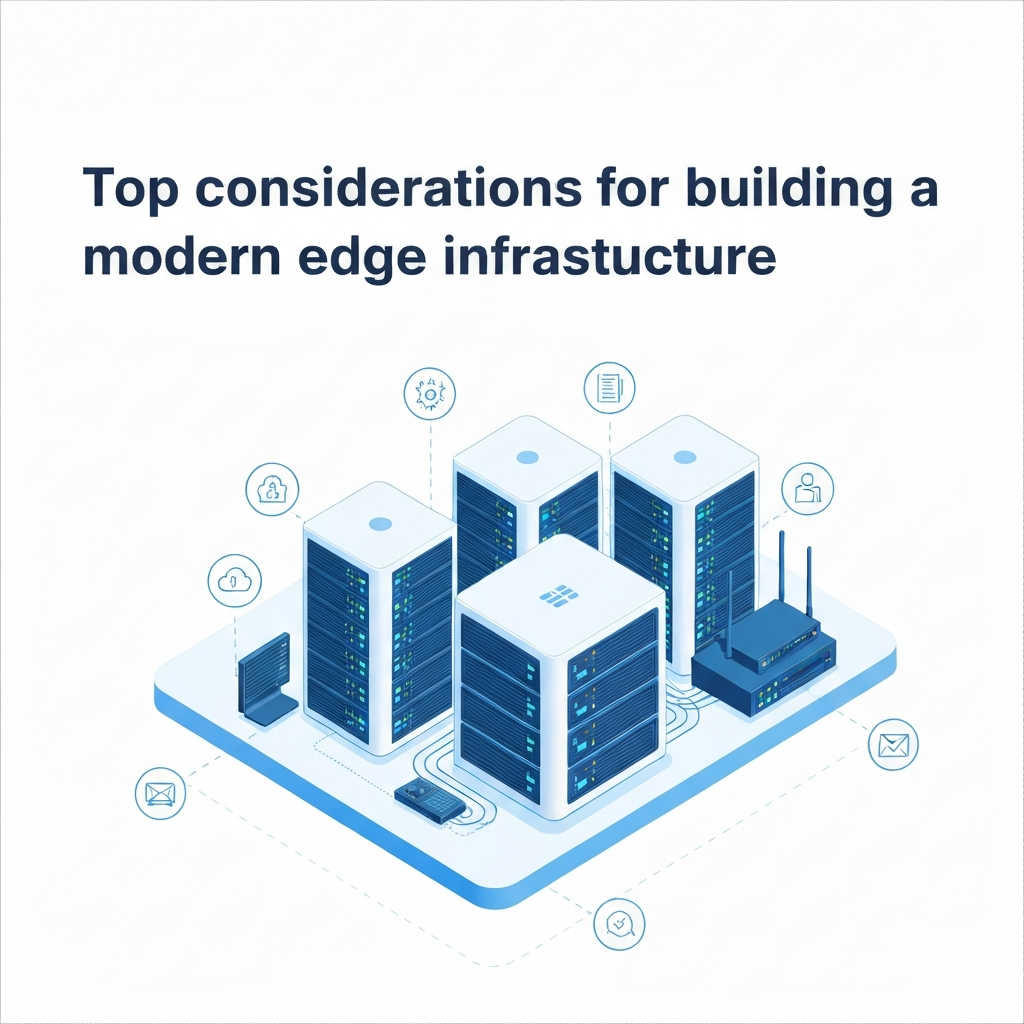
Across industries, organizations are leveraging operational and user-generated data to make critical business decisions, solve challenges, and gain a competitive advantage. This data is often generated at the edge—think retail stores, manufacturing plants, or remote locations. To effectively utilize this data, you need a robust and modern edge infrastructure. This guide will walk you through the top considerations for building one.
Introduction
The edge is no longer a concept; it’s a reality. As data generation explodes and latency becomes increasingly critical, processing data closer to its source is paramount. Building a modern edge infrastructure is about bringing compute, storage, and networking closer to where the data is created. This approach offers significant benefits, including reduced latency, improved security, and enhanced operational efficiency. This blog post will help you understand the core elements to consider when building your edge infrastructure.
Key Considerations for Building a Modern Edge Infrastructure
Building a successful edge infrastructure requires careful planning and execution. Here are the key factors you should consider:
1. Data Management and Processing
How you manage and process data at the edge is crucial. Consider the following:
- Data Ingestion: Implement reliable data ingestion mechanisms to capture data from various sources.
- Data Storage: Choose the right storage solution, considering factors like capacity, performance, and durability. Consider technologies like local storage or edge-optimized databases.
- Data Processing: Determine the necessary processing capabilities. This includes real-time analytics, filtering, and aggregation.
- Data Synchronization: Implement mechanisms for syncing data back to the cloud or central data centers as needed.
2. Connectivity and Networking
Reliable connectivity is the backbone of any edge infrastructure.
- Network Availability: Ensure robust and redundant network connections to minimize downtime.
- Bandwidth Optimization: Optimize data transfer to minimize bandwidth usage, especially in environments with limited connectivity.
- Security: Implement strong security protocols, including encryption and access controls, to protect data in transit and at rest.
- Latency: Minimize latency by selecting the appropriate network technologies like 5G, Wi-Fi 6, or other low-latency options.
3. Hardware and Infrastructure
Selecting the right hardware is essential for performance and reliability.
- Edge Devices: Select devices that are appropriate for the environment (ruggedized, industrial-grade, etc.).
- Compute Resources: Determine the necessary compute power based on your processing needs. Consider factors like CPU, memory, and storage.
- Power Management: Implement efficient power management solutions, especially in remote or resource-constrained environments.
- Physical Security: Ensure the physical security of your edge devices to prevent unauthorized access or damage.
4. Security and Compliance
Security should be a primary concern when designing and deploying your edge infrastructure.
- Device Security: Secure edge devices with strong authentication, encryption, and regular security updates.
- Data Encryption: Encrypt data at rest and in transit.
- Access Control: Implement strict access controls to limit who can access data and devices.
- Compliance: Ensure that your edge infrastructure complies with relevant industry regulations and data privacy laws.
5. Management and Monitoring
Effective management and monitoring are key to ensuring the smooth operation of your edge infrastructure.
- Remote Management: Implement remote management tools to monitor and control edge devices from a central location.
- Monitoring: Monitor key metrics such as performance, health, and security.
- Automation: Automate tasks such as device provisioning, updates, and backups.
- Alerting: Set up alerts to notify you of any issues or anomalies.
Conclusion
Building a modern edge infrastructure is a complex but rewarding endeavor. By carefully considering the factors discussed above, you can create an infrastructure that delivers significant benefits, including improved performance, reduced latency, and enhanced security. Embrace the edge to unlock new opportunities and gain a competitive edge in today’s data-driven world. The future of data processing is at the edge – are you ready?
Frequently Asked Questions (FAQ’s)
“`