
Author : EDB
“`html
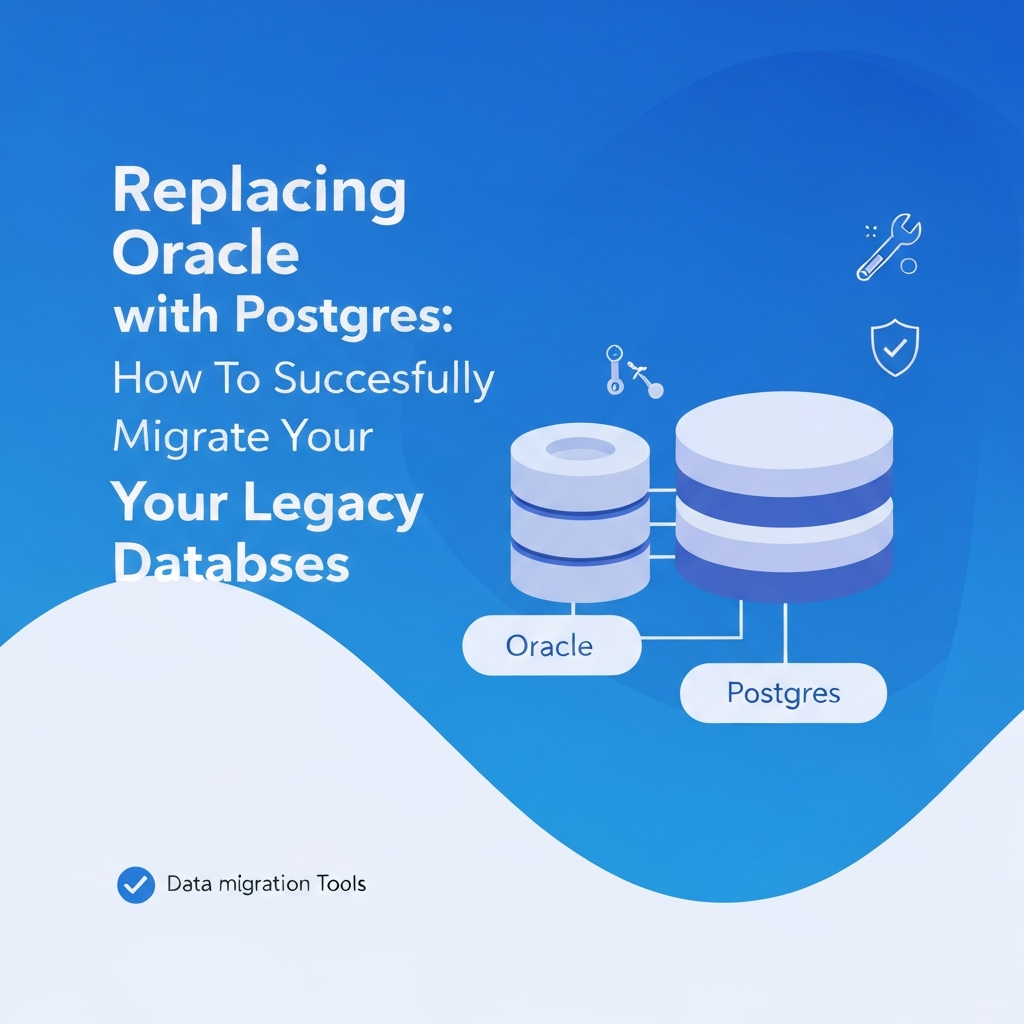
Replacing Oracle with Postgres: How To Successfully Migrate Your Legacy Databases
Are you considering migrating from Oracle to PostgreSQL? You’re not alone. Many organizations are seeking alternatives to Oracle’s increasingly complex and costly licensing models. This guide will walk you through the key considerations and steps required to successfully migrate your legacy databases to PostgreSQL. It’s time to take control of your database infrastructure and embrace the benefits of a robust, open-source solution.
Summary
Migrating from Oracle to PostgreSQL can offer significant cost savings, enhanced flexibility, and avoid vendor lock-in. This blog post provides a comprehensive guide, covering planning, assessment, migration strategies, and best practices to ensure a smooth transition. You’ll learn how to overcome common challenges and unlock the full potential of PostgreSQL for your organization.
Introduction
Oracle has long been a dominant player in the database market. However, its restrictive licensing and high costs are pushing many businesses to explore alternatives. PostgreSQL, a powerful, open-source database, has emerged as a compelling choice. This white paper focuses on the most popular source and target for database migrations: moving from Oracle to Postgres. Oracle is the #1 legacy database, and its extremely onerous license policies are driving the majority of migration demand. The move to PostgreSQL can unlock substantial value by reducing costs and increasing agility. The decision to migrate is often driven by a desire to:
- Reduce operational costs.
- Avoid vendor lock-in.
- Gain greater flexibility and control.
- Take advantage of PostgreSQL’s open-source nature and vibrant community.
Key Steps to a Successful Oracle to PostgreSQL Migration
Migrating from Oracle to PostgreSQL is a strategic project. Follow these steps to ensure a smooth transition:
1. Planning and Assessment
Before you begin, thoroughly assess your current Oracle environment.
- Inventory your Oracle database: Identify all databases, schemas, tables, and dependencies.
- Assess complexity: Evaluate the complexity of your database schema, stored procedures, functions, and triggers.
- Define scope and objectives: Determine which databases or applications will be migrated and set clear goals.
- Choose your migration strategy: Decide on the approach that best suits your needs (e.g., full migration, phased approach).
2. Compatibility Analysis
Understand the compatibility differences between Oracle and PostgreSQL.
- Data type mapping: Identify Oracle data types and map them to their PostgreSQL equivalents.
- Code conversion: Review and convert PL/SQL code (stored procedures, functions, triggers) to PostgreSQL’s PL/pgSQL.
- Application compatibility: Assess the impact on your applications and identify necessary code changes.
3. Choosing the Right Migration Tools
Select tools that streamline the migration process.
- Schema conversion tools: Use tools to automate the conversion of your schema from Oracle to PostgreSQL.
- Data migration tools: Consider tools for efficient data transfer, such as pgloader, or Ora2Pg.
- Testing and validation tools: Ensure data integrity and application functionality.
4. Data Migration
Migrate your data efficiently and accurately.
- Choose the right method: Options include online migration, offline migration, or a hybrid approach.
- Data validation: After migration, perform thorough data validation to ensure data consistency.
- Monitor the process: Keep a close eye on the migration progress and address any issues promptly.
5. Testing and Validation
Verify that the migrated database works as expected.
- Functional testing: Test all application functions to ensure they work correctly.
- Performance testing: Evaluate database performance and optimize queries as needed.
- User acceptance testing (UAT): Involve users to validate the migrated system and ensure it meets their requirements.
6. Post-Migration Optimization and Monitoring
Once the migration is complete, optimize and monitor the PostgreSQL database.
- Performance tuning: Fine-tune PostgreSQL’s configuration parameters for optimal performance.
- Backup and recovery: Set up a robust backup and recovery strategy.
- Ongoing monitoring: Monitor database performance and address any issues proactively.
Best Practices for a Smooth Migration
- Start small: Begin with a pilot project to test the migration process.
- Automate where possible: Use tools to automate schema conversion, data migration, and code conversion.
- Plan for downtime: Schedule downtime during the migration process.
- Document everything: Maintain detailed documentation of all steps and decisions.
- Provide training: Train your team on PostgreSQL administration and development.
Conclusion
Migrating from Oracle to PostgreSQL is a significant undertaking, but it can provide substantial benefits in terms of cost, flexibility, and control. By following the steps outlined in this guide and adhering to best practices, you can ensure a successful migration. Embrace the power of PostgreSQL and transform your database infrastructure.
Frequently Asked Questions (FAQ)
What are the main benefits of migrating from Oracle to PostgreSQL?
- Cost savings on licensing and maintenance.
- Avoidance of vendor lock-in.
- Greater flexibility and control over your database.
- Access to a vibrant open-source community.
How long does a typical migration take?
The duration depends on the size and complexity of your Oracle database. Simple migrations may take a few weeks, while complex projects can take several months.
What are the common challenges during migration?
- Data type and code compatibility issues.
- Performance differences between Oracle and PostgreSQL.
- Downtime during the migration process.
- Ensuring data integrity and application functionality.
Which tools are recommended for Oracle to PostgreSQL migration?
Popular tools include pgloader, Ora2Pg, and various schema conversion tools. The choice depends on your specific needs and the complexity of your Oracle database.
How can I minimize downtime during migration?
Plan your migration carefully, use tools that minimize downtime, and consider a phased or online migration approach. Thorough testing and validation before the cutover are also critical.
“`