
Author : REDHAT
“`html
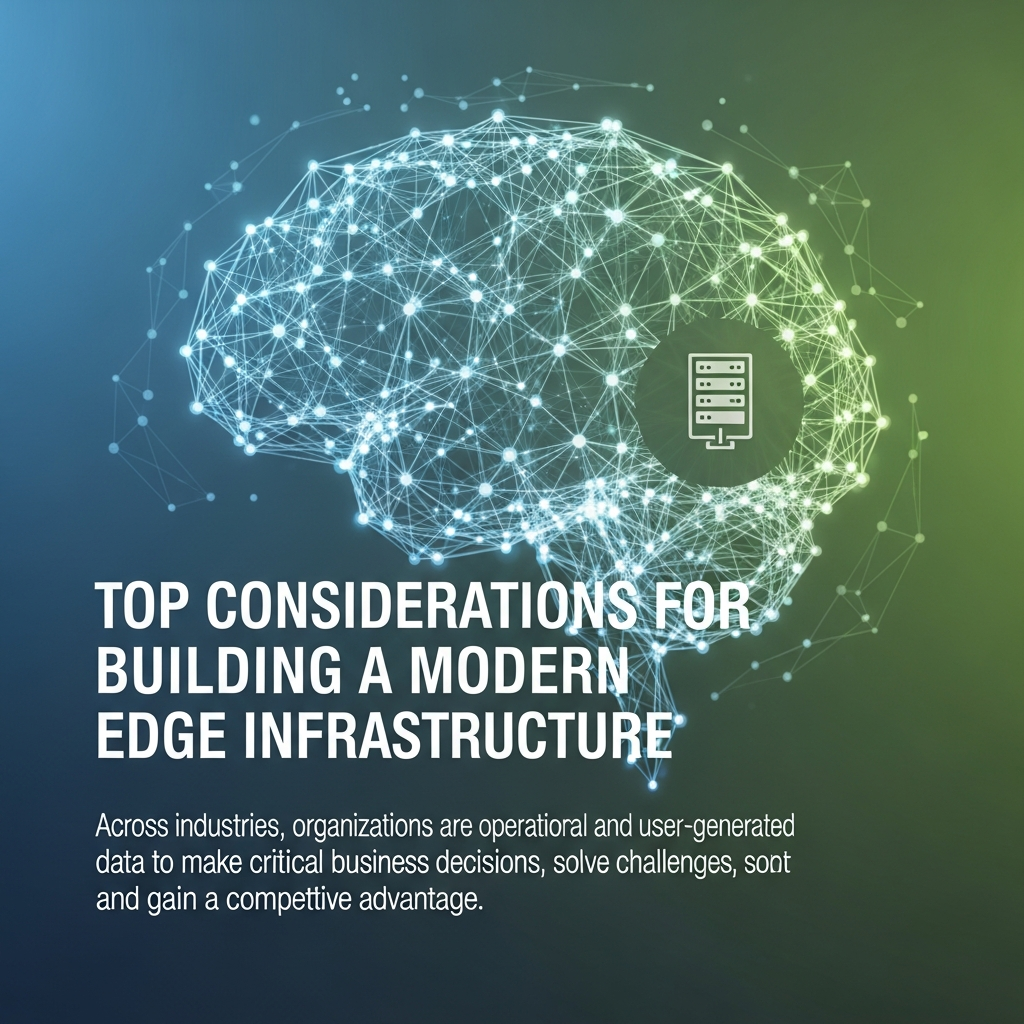
Top Considerations for Building a Modern Edge Infrastructure
Across industries, organizations are leveraging operational and user-generated data to make critical business decisions, solve challenges, and gain a competitive advantage. This guide provides a comprehensive overview of the key considerations for building a modern edge infrastructure that empowers you to harness the power of this data.
Introduction
In today’s fast-paced digital landscape, the edge has become the new frontier. Edge computing brings data processing closer to the source, enabling real-time insights, reduced latency, and enhanced security. Building a modern edge infrastructure is no longer a luxury; it’s a necessity. Whether you’re in manufacturing, healthcare, retail, or any other industry, the ability to process data at the edge can transform your operations and create new opportunities.
Key Considerations
Building a successful edge infrastructure involves careful planning and execution. Here are the top considerations:
- Define Your Objectives: What are your goals? Are you aiming to reduce latency, improve security, enable real-time analytics, or optimize bandwidth usage? Clearly defined objectives will guide your decisions.
- Assess Your Needs: Understand your specific requirements. Consider the types of data you’ll be processing, the applications you’ll be running, and the performance levels you need.
- Choose the Right Hardware: Select edge devices that are rugged, reliable, and energy-efficient. Consider factors like processing power, storage capacity, and connectivity options (e.g., 5G, Wi-Fi, Ethernet).
- Network Connectivity: A robust network is critical. Ensure reliable and secure connectivity between your edge devices, the core network, and the cloud. Consider bandwidth requirements, latency, and network security protocols.
- Data Management: Implement a strategy for data collection, storage, and processing at the edge. Consider data compression, filtering, and aggregation techniques to optimize bandwidth usage and reduce storage costs.
- Security: Edge devices are often deployed in physically insecure locations, making security paramount. Implement strong security measures, including:
- Encryption
- Authentication and Authorization
- Regular security patching
- Physical security measures
- Manageability and Monitoring: Deploying and managing edge infrastructure can be complex. Implement tools for remote management, monitoring, and troubleshooting to ensure optimal performance and availability.
- Scalability and Flexibility: Design your infrastructure to be scalable and adaptable to future needs. Consider using a modular architecture that allows you to add or remove components as your requirements evolve.
- Cost Optimization: Evaluate the total cost of ownership (TCO), including hardware, software, connectivity, and ongoing management costs. Explore cost-effective solutions and optimize resource utilization.
- Consider the Cloud: Determine how the edge will interact with the cloud. Should the edge be autonomous, synchronized or integrated with the cloud? How can it share and store data in the cloud?
Tips for Success
- Start Small and Iterate: Begin with a pilot project to test your approach and identify areas for improvement.
- Choose the Right Partners: Work with vendors who have experience in edge computing and can provide the necessary hardware, software, and services.
- Prioritize Automation: Automate as many tasks as possible to reduce manual effort and improve efficiency.
- Embrace Open Standards: Leverage open standards and protocols to avoid vendor lock-in and ensure interoperability.
- Continuously Monitor and Optimize: Regularly monitor the performance of your edge infrastructure and make adjustments as needed.
Conclusion
Building a modern edge infrastructure is a journey, not a destination. By carefully considering these factors and following the tips outlined above, you can create an edge infrastructure that empowers you to unlock new levels of efficiency, agility, and innovation. The edge is where the future of computing lies – are you ready to embrace it?
Frequently Asked Questions (FAQ)
- What are the benefits of edge computing? Edge computing offers numerous benefits, including reduced latency, improved security, increased bandwidth efficiency, and real-time insights.
- What are the key differences between edge computing and cloud computing? Edge computing processes data closer to the source, while cloud computing processes data in centralized data centers. Each has its own strengths and weaknesses, and often work best when used together.
- What industries are benefiting from edge computing? Edge computing is transforming a wide range of industries, including manufacturing, healthcare, retail, transportation, and energy.
- How do I get started with edge computing? Start by defining your objectives, assessing your needs, and choosing the right hardware and software. Consider starting with a pilot project to test your approach.
- What are the main security concerns with edge computing? Security concerns include physical security of edge devices, data breaches, and ensuring the protection of sensitive information.
“`