
Author : ADOBE
“`html
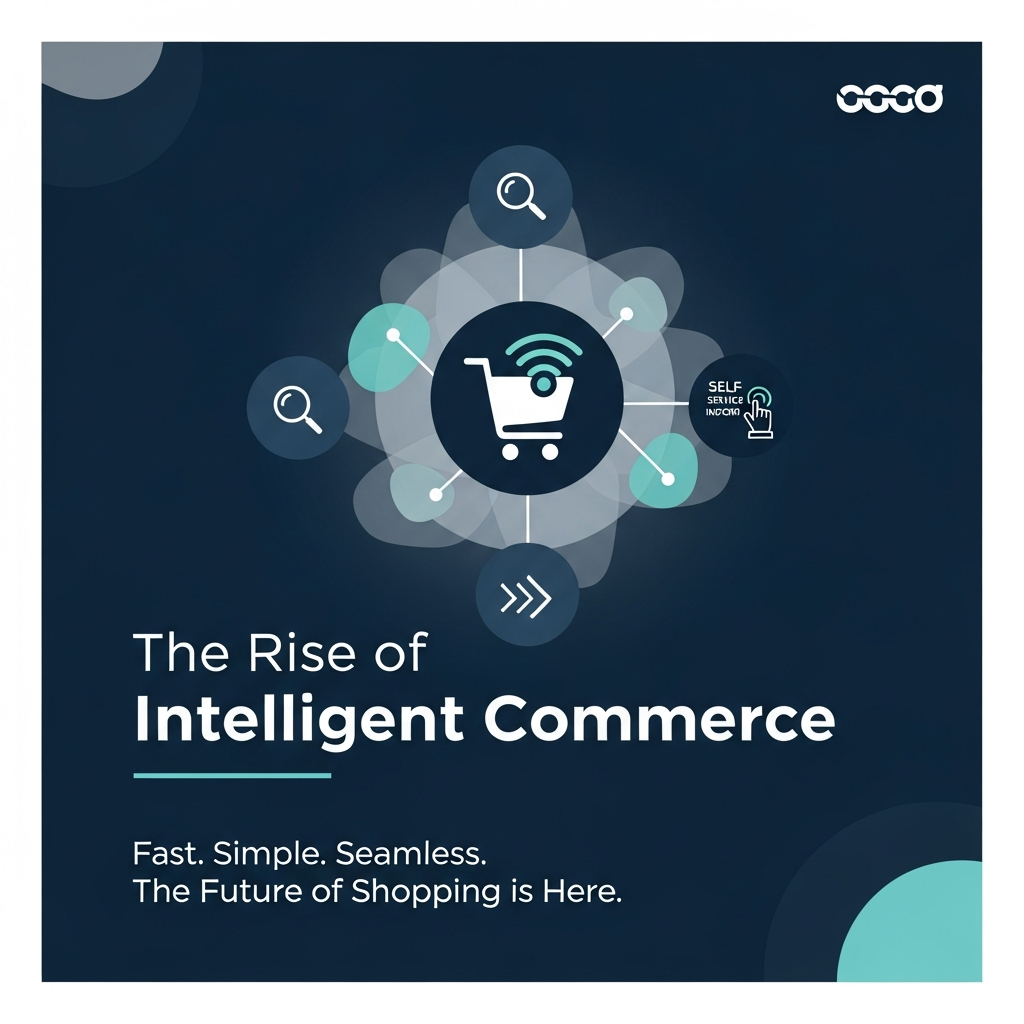
The Rise of Intelligent Commerce: Transforming the Shopping Experience
In today’s fast-paced world, the way people shop is constantly evolving. Consumers are no longer satisfied with merely purchasing products; they crave seamless, personalized, and convenient experiences. This shift has given rise to Intelligent Commerce, a transformative approach that leverages technology and data to create smarter, more efficient, and ultimately, more satisfying shopping journeys.
Introduction
The modern shopper is a discerning individual. According to research by Forrester and Adobe, they prioritize convenience above all else. They want:
- Effective search (38%)
- A seamless shopping experience online and in person (34%)
- Easy access to product and service information through self-service digital channels.
Intelligent Commerce is the answer. It’s about anticipating customer needs and providing solutions before they even realize they need them.
What is Intelligent Commerce?
Intelligent Commerce goes beyond traditional e-commerce by integrating technologies such as:
- Artificial Intelligence (AI): Powering personalized recommendations, chatbots, and predictive analytics.
- Machine Learning (ML): Analyzing vast datasets to understand customer behavior and optimize processes.
- Data Analytics: Providing insights into customer preferences, purchasing patterns, and overall performance.
- Automation: Streamlining operations, from inventory management to order fulfillment.
Key Benefits of Intelligent Commerce
Implementing Intelligent Commerce offers significant advantages for both businesses and customers:
- Enhanced Customer Experience: Personalized recommendations, proactive support, and seamless omnichannel experiences create a superior shopping journey.
- Increased Sales and Revenue: By understanding customer preferences and anticipating their needs, businesses can drive sales and increase customer lifetime value.
- Improved Operational Efficiency: Automation and data-driven insights streamline processes, reduce costs, and optimize resource allocation.
- Stronger Customer Loyalty: Personalized experiences and proactive support build trust and foster long-term customer relationships.
- Data-Driven Decision Making: Access to real-time data and analytics allows businesses to make informed decisions and adapt quickly to changing market trends.
How to Implement Intelligent Commerce
Transitioning to Intelligent Commerce involves a strategic approach. Consider these steps:
- Assess Your Current Capabilities: Evaluate your existing infrastructure, data resources, and customer touchpoints.
- Define Your Goals: Identify specific business objectives you want to achieve through Intelligent Commerce (e.g., increased sales, improved customer satisfaction).
- Choose the Right Technologies: Select AI, ML, and analytics tools that align with your goals and existing systems. Consider these options:
- Personalization Engines: Recommend products based on customer behavior.
- Chatbots: Provide instant customer support and answer frequently asked questions.
- Predictive Analytics: Forecast sales, optimize inventory, and identify potential issues.
- Focus on Data Quality: Ensure your data is accurate, consistent, and well-organized.
- Prioritize Personalization: Tailor the shopping experience to individual customer preferences.
- Embrace Automation: Automate repetitive tasks to free up resources and improve efficiency.
- Continuously Analyze and Optimize: Regularly monitor performance, analyze data, and make adjustments to improve results.
Tips for Success
- Start Small: Begin with a pilot project to test and refine your approach before a full-scale implementation.
- Focus on Customer Needs: Always prioritize the customer experience and design solutions that meet their specific needs.
- Train Your Team: Equip your team with the skills and knowledge they need to effectively use Intelligent Commerce technologies.
- Embrace a Data-Driven Culture: Make data analysis an integral part of your decision-making process.
- Stay Flexible: Be prepared to adapt to changing technologies and customer expectations.
Conclusion
The rise of Intelligent Commerce represents a fundamental shift in the retail landscape. By embracing this approach, you can create a more engaging, efficient, and profitable shopping experience for your customers. Are you ready to transform your business and thrive in the future of commerce? The time to act is now.
FAQ
“`