
Author : YELLOW
“`html
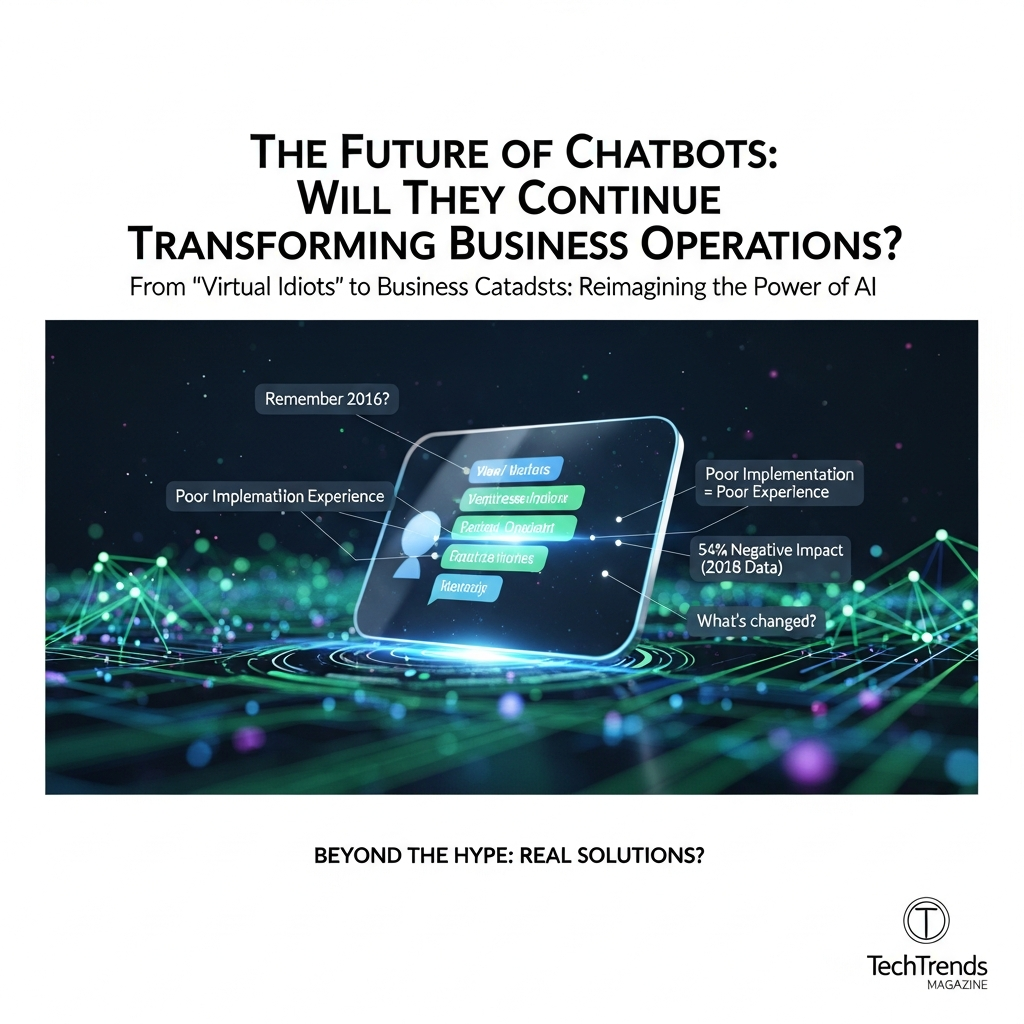
The Future of Chatbots: Will They Continue Transforming Business Operations?
Summary
Chatbots have come a long way since their initial hype. While early implementations faced criticism, advancements in AI and natural language processing (NLP) are paving the way for more sophisticated and valuable chatbot experiences. This blog post explores the evolution of chatbots, their current impact on business operations, and what the future holds for this transformative technology.
Introduction
Remember 2016? Chatbots were the next big thing, promising to revolutionize how businesses interact with customers. They were poised to replace apps and streamline everything. However, the initial promise didn’t quite materialize as expected. By 2019, reports surfaced highlighting poorly implemented chatbots that, instead of enhancing user experience, were actually hindering it. Many felt they were nothing more than “virtual idiots,” frustrating users and damaging brand perception. Studies showed that a significant percentage of consumers found early chatbot interactions “annoying,” leading to a negative impact on the quality of their online experiences.
But the story doesn’t end there. The technology has evolved rapidly. Today’s chatbots are far more advanced, powered by sophisticated AI and natural language processing (NLP). The question isn’t whether chatbots are here to stay; it’s how they will continue to transform business operations and what opportunities lie ahead. Let’s delve into this exciting evolution.
The Current State of Chatbots in Business
Despite the initial setbacks, chatbots are making a significant impact across various industries. You’re likely already interacting with them without even realizing it! They’re used for:
- Customer Service: Handling common inquiries, troubleshooting issues, and providing instant support.
- Lead Generation: Qualifying leads, collecting contact information, and scheduling appointments.
- E-commerce: Guiding customers through the purchase process, providing product recommendations, and assisting with order tracking.
- Internal Operations: Assisting employees with HR questions, IT support, and accessing company information.
Key Factors Driving Chatbot Adoption:
- Cost Savings: Chatbots can automate tasks and reduce the need for human agents, leading to significant cost savings.
- 24/7 Availability: Chatbots are available around the clock, providing instant support and assistance to customers regardless of time zones.
- Improved Customer Experience: When implemented effectively, chatbots can provide quick, personalized, and efficient support, leading to increased customer satisfaction.
- Data Collection & Analysis: Chatbots can collect valuable data about customer behavior and preferences, enabling businesses to make data-driven decisions.
The Future of Chatbots: What to Expect
The future of chatbots is bright, with several key trends shaping their evolution:
- AI-Powered Personalization: Expect chatbots to become even more personalized, adapting to individual user preferences and providing tailored recommendations and support.
- Advanced NLP Capabilities: Chatbots will better understand natural language, including context, sentiment, and intent, leading to more human-like conversations.
- Integration with Emerging Technologies: Chatbots will seamlessly integrate with other technologies, such as voice assistants, augmented reality (AR), and the Internet of Things (IoT).
- Proactive Engagement: Chatbots will become more proactive, anticipating user needs and offering assistance before being asked.
- Emphasis on Empathy: Chatbots will be designed with empathy, understanding and responding appropriately to users’ emotional states.
Tips for Businesses Embracing Chatbots
If you’re considering implementing a chatbot, or looking to improve your existing one, here are some tips for success:
- Define Clear Goals: What do you want your chatbot to achieve? Identify specific goals, such as improving customer satisfaction, reducing costs, or generating leads.
- Choose the Right Platform: Select a chatbot platform that meets your specific needs, considering factors like ease of use, integration capabilities, and scalability.
- Design User-Friendly Conversations: Ensure that your chatbot conversations are natural, intuitive, and easy to navigate.
- Provide Human Hand-Off: Offer a seamless transition to a human agent when the chatbot cannot resolve an issue.
- Continuously Monitor and Optimize: Regularly monitor your chatbot’s performance, gather user feedback, and make improvements to ensure it’s meeting your goals.
Conclusion
The journey of chatbots has been a dynamic one. From initial hype to early criticisms, the technology has matured significantly. Now, powered by advances in AI and NLP, chatbots are poised to revolutionize business operations further. Embrace this technology with a clear strategy, and you can unlock significant value, enhance customer experiences, and drive business success. The future is conversational, and chatbots are leading the way. The future of chatbots looks promising, and businesses that embrace them strategically will be well-positioned for success in the years to come.
FAQ’s
“`