
Author : ESG
“`html
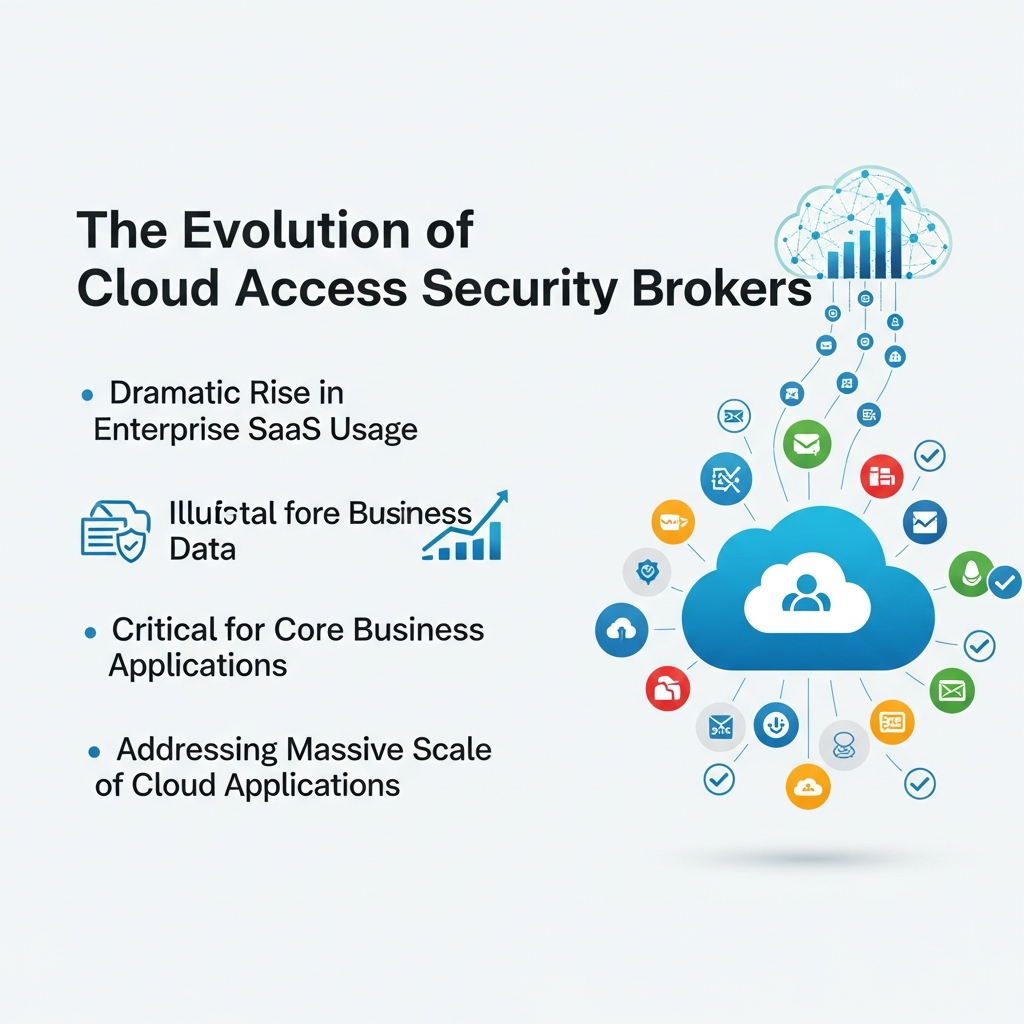
The Evolution of Cloud Access Security Brokers
In the ever-evolving landscape of cybersecurity, cloud access security brokers (CASBs) have emerged as indispensable tools for safeguarding your organization’s data and applications. From their inception to their current sophisticated capabilities, CASBs have undergone a remarkable transformation. Let’s explore the journey of these crucial security solutions and understand their significance in today’s cloud-centric world.
Introduction
Welcome to the world of Cloud Access Security Brokers! You’ve likely heard the term, but do you truly understand the pivotal role CASBs play in modern cybersecurity? As organizations increasingly embrace cloud services like SaaS applications, the need for robust security measures becomes paramount. CASBs act as intermediaries, sitting between your users and cloud service providers, enforcing security policies and providing visibility into cloud usage. Think of them as the gatekeepers of your cloud environment, ensuring that your data remains protected.
Initially, the primary function of CASBs was to address the security concerns associated with the adoption of cloud services. Organizations needed a way to control access, enforce policies, and gain visibility into cloud application usage. This was especially important as the number of SaaS applications grew exponentially, and IT departments struggled to maintain control.
The Early Days: Shadow IT and Basic Controls
In the beginning, CASBs focused on basic functionalities. You could think of them as the first line of defense against “shadow IT”—the unsanctioned use of cloud applications by employees. Early CASBs offered features like:
- Discovery: Identifying cloud applications in use within the organization.
- Visibility: Providing insights into cloud application usage, including data transfer and user activity.
- Access Control: Enforcing policies to restrict access to certain applications or data.
These early CASBs were primarily focused on preventing data leakage and ensuring compliance with basic security policies.
The Rise of Advanced Features: Data Loss Prevention and Threat Protection
As the cloud landscape matured, so did the capabilities of CASBs. Recognizing the need for more sophisticated security measures, vendors began incorporating advanced features. Today’s CASBs offer much more than basic access control, including:
- Data Loss Prevention (DLP): Preventing sensitive data from leaving the organization’s control.
- Threat Protection: Detecting and mitigating threats, such as malware and insider threats.
- Compliance Enforcement: Ensuring compliance with industry regulations and internal policies.
- API-based integration: Integrating with various cloud services for comprehensive protection.
- User Behavior Analytics (UBA): Identifying risky user behavior and potential threats.
These advanced features allow organizations to proactively protect their data and respond to evolving threats.
The Current State: A Holistic Approach
Today’s CASBs take a holistic approach to cloud security, providing comprehensive protection across multiple areas. They are no longer just tools for managing SaaS applications; they are essential components of a broader security strategy.
Key factors that define a modern CASB include:
- Cloud-Native Design: Built specifically for the cloud, with seamless integration with cloud services.
- API-Based Integration: Leveraging APIs to provide comprehensive visibility and control.
- Real-time Monitoring: Providing real-time monitoring and threat detection.
- Integration with other Security Tools: Working with other security tools, such as SIEM and firewalls, to provide a unified security posture.
The best CASB solutions offer a comprehensive suite of features, including data loss prevention, threat protection, and compliance enforcement. You should choose a CASB that aligns with your organization’s specific needs and security goals.
The Future of CASBs: Automation and AI
The future of CASBs is bright, with continued innovation expected in the areas of automation and artificial intelligence (AI). You can expect to see:
- Automated Policy Enforcement: Using AI to automate the enforcement of security policies.
- AI-Powered Threat Detection: Leveraging AI to identify and respond to threats in real time.
- Increased Integration: Further integration with other security tools and cloud services.
These advancements will enable organizations to stay ahead of evolving threats and maintain a strong security posture in the cloud.
Conclusion
The evolution of CASBs reflects the changing dynamics of the cloud environment. From their humble beginnings as basic access control tools, CASBs have evolved into sophisticated security solutions that provide comprehensive protection for your organization’s data and applications. By understanding the evolution of CASBs, you can make informed decisions about your cloud security strategy and ensure that you’re well-prepared to face the challenges of the modern threat landscape.
Frequently Asked Questions (FAQ)
“`