
Author : Paloaolto
“`html
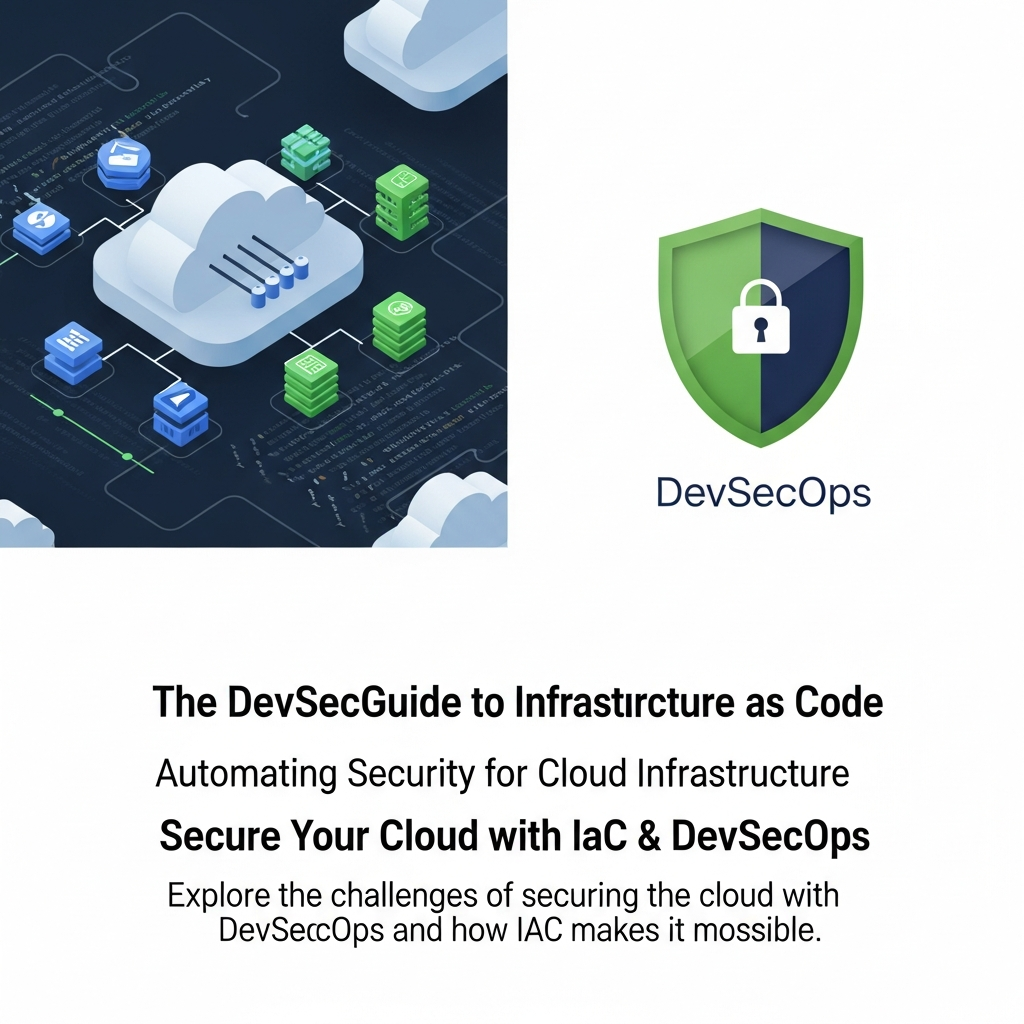
The DevSecGuide to Infrastructure as Code
DevSecOps has revolutionized the way we approach software development and deployment. It paves the way for teams to automate security and seamlessly integrate it into the DevOps lifecycle. In this comprehensive guide, we’ll delve into the intricacies of leveraging DevSecOps to secure your cloud infrastructure, with a particular focus on how Infrastructure as Code (IaC) makes it all possible. Prepare to transform your approach to cloud security and embrace a more efficient, secure, and collaborative workflow.
Introduction
In today’s fast-paced digital landscape, the need for robust security is more critical than ever. However, security can sometimes feel like an afterthought, often bolted on after the infrastructure is already in place. This approach is not only inefficient but also increases the risk of vulnerabilities. That’s where DevSecOps and Infrastructure as Code come into play. They empower you to:
- Automate security: Embed security checks and configurations directly into your infrastructure deployments.
- Improve efficiency: Streamline your processes, reduce manual errors, and accelerate deployment times.
- Enhance collaboration: Foster a culture of shared responsibility between development, security, and operations teams.
Infrastructure as Code allows you to manage and provision infrastructure through code, treating your infrastructure as you would your application code. This means you can version control, test, and automate your infrastructure deployments, bringing a new level of consistency and security to your cloud environment. Let’s explore how you can build a strong security posture with IaC.
Understanding the DevSecOps Approach
DevSecOps is more than just a set of tools; it’s a cultural shift. It means integrating security practices from the very beginning of the development lifecycle. Here’s what it entails:
- Shift Left: Move security checks and practices earlier in the development lifecycle.
- Automation: Automate security tasks to reduce manual effort and human error.
- Collaboration: Foster collaboration between development, security, and operations teams.
- Continuous Monitoring: Implement continuous monitoring and feedback loops to identify and address vulnerabilities.
Why Infrastructure as Code Matters for Security
IaC offers a powerful way to implement DevSecOps principles. By defining your infrastructure as code, you can:
- Standardize Security Configurations: Ensure consistent security settings across your entire infrastructure.
- Automate Security Audits: Integrate security scanning tools directly into your IaC pipelines.
- Enable Version Control: Track changes to your infrastructure and easily revert to previous configurations.
- Improve Compliance: Simplify compliance efforts by defining security policies as code.
Key Factors for Securing Infrastructure as Code
To successfully implement DevSecOps with IaC, consider these key factors:
- Choose the Right Tools: Select IaC tools that support your cloud provider and offer robust security features (e.g., Terraform, AWS CloudFormation, Azure Resource Manager, etc.).
- Implement Secure Coding Practices: Write your IaC code with security in mind, following best practices for your chosen tool.
- Use Security Scanning Tools: Integrate security scanning tools to identify vulnerabilities in your IaC code.
- Automate Testing: Implement automated testing to ensure that your infrastructure deployments meet your security requirements.
- Apply the Principle of Least Privilege: Grant only the necessary permissions to users and services.
- Regularly Review and Update: Regularly review and update your IaC code and security configurations to address new threats.
Tips for Implementing DevSecOps with Infrastructure as Code
Here are some practical tips to guide you on your DevSecOps journey:
- Start Small: Begin with a small, manageable project and gradually expand your IaC implementation.
- Automate Everything: Automate as many tasks as possible, including security checks, testing, and deployments.
- Integrate Security Early: Incorporate security considerations into the design and development phases of your IaC code.
- Document Everything: Maintain clear and comprehensive documentation for your IaC code, security policies, and processes.
- Train Your Team: Provide training to your team on IaC, security best practices, and DevSecOps principles.
- Foster a Culture of Collaboration: Encourage open communication and collaboration between development, security, and operations teams.
Conclusion
Embracing DevSecOps with Infrastructure as Code is not just a best practice; it’s a necessity for organizations seeking to secure their cloud environments and accelerate their digital transformation. By automating security, improving collaboration, and standardizing infrastructure deployments, you can significantly reduce your risk exposure and improve your overall security posture. Take the first step today, and transform the way you approach cloud security.
Frequently Asked Questions (FAQ)
What are the benefits of using IaC for security?
IaC enables you to automate security configurations, standardize security settings, version control your infrastructure, automate security audits, and improve compliance.
What are some popular IaC tools?
Popular IaC tools include Terraform, AWS CloudFormation, Azure Resource Manager, and Ansible.
How do I get started with DevSecOps and IaC?
Start by selecting an IaC tool, writing secure IaC code, integrating security scanning tools, automating testing, and fostering collaboration within your team. Begin with a pilot project and expand from there.
How can I ensure my IaC code is secure?
Use security scanning tools, implement secure coding practices, follow the principle of least privilege, and regularly review and update your IaC code.
How does DevSecOps improve collaboration?
DevSecOps promotes collaboration by integrating security teams into the development process, fostering open communication, and creating a shared responsibility for security across development, security, and operations teams.
“`