

Author : Redhat
Simplify Your Security Operations Center: Gain Speed, Time, and Security with a Unified Automation Platform
Security is a leading issue for most organizations. In fact, 33% of CEOs are extremely concerned about cyber threats. This apprehension is not unfounded: 32% of organizations experienced major cyber attacks in the past two years. Are you ready to fortify your defenses and streamline your security operations? This guide will walk you through how a unified automation platform can help you achieve just that.
Introduction
In today’s fast-paced digital landscape, the volume and complexity of cyber threats are constantly increasing. Traditional Security Operations Centers (SOCs) often struggle to keep up, leading to alert fatigue, slow response times, and increased risk. A unified automation platform offers a powerful solution, enabling you to:
- Accelerate threat detection and response
- Reduce manual tasks and human error
- Improve overall security posture
- Free up your security team to focus on strategic initiatives
The Challenges of a Traditional SOC
Before diving into the solution, let’s examine the common challenges faced by traditional SOCs:
- Alert Fatigue: SOC teams are overwhelmed by a flood of alerts, making it difficult to prioritize and investigate critical threats.
- Manual Processes: Many tasks, such as incident investigation and remediation, are performed manually, consuming valuable time and resources.
- Siloed Tools: Security tools often operate in isolation, hindering data sharing and collaboration.
- Skills Gap: The shortage of skilled cybersecurity professionals exacerbates these challenges.
How a Unified Automation Platform Can Help
A unified automation platform consolidates your security tools and workflows into a single, integrated system. This allows you to:
- Automate Repetitive Tasks: Automate tasks like threat hunting, incident response, and vulnerability management, freeing up your team.
- Orchestrate Workflows: Create automated workflows that guide your team through investigation and remediation processes.
- Improve Visibility: Gain a centralized view of your security data and activities.
- Enhance Collaboration: Facilitate collaboration between different teams and tools.
Key Benefits of Implementing a Unified Automation Platform
By adopting a unified automation platform, you can experience several significant benefits:
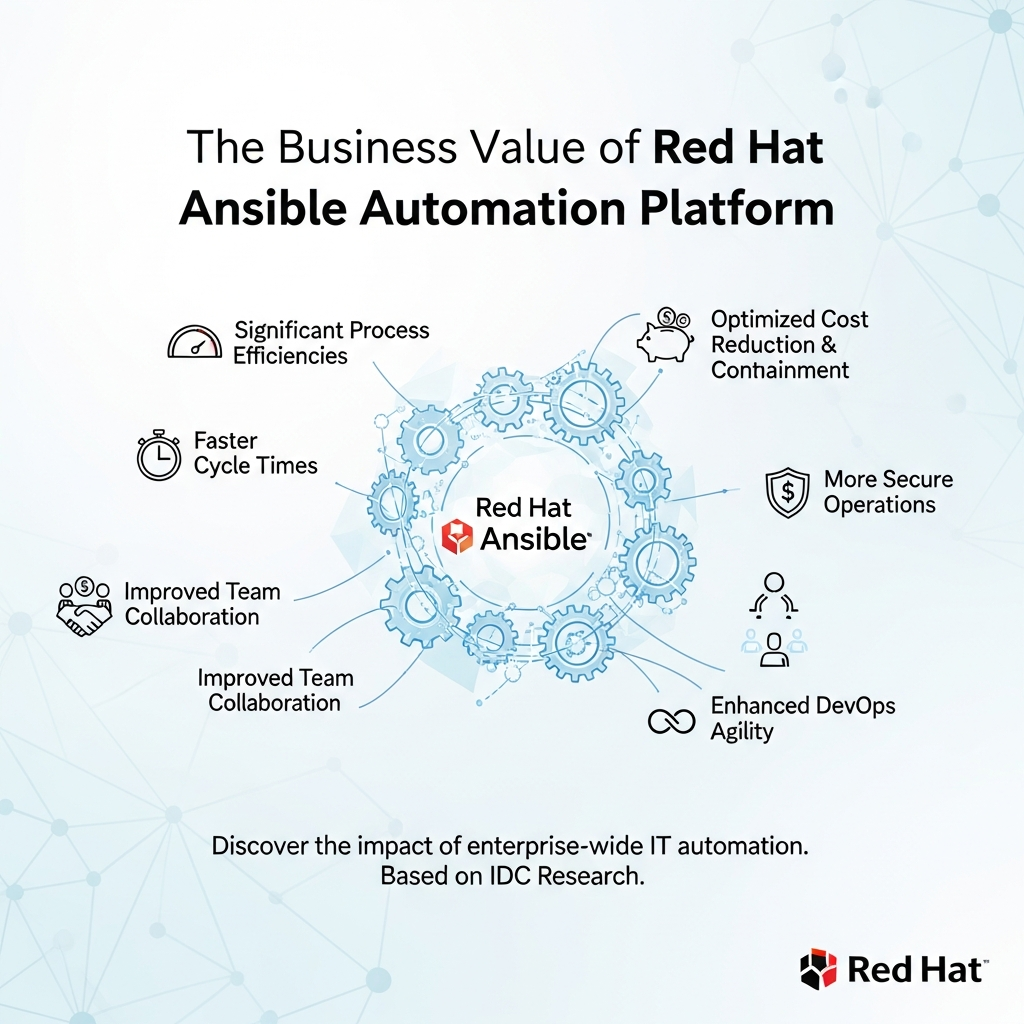
- Faster Incident Response: Reduce the time it takes to detect, investigate, and remediate threats.
- Reduced Costs: Optimize your security resources and reduce operational expenses.
- Improved Compliance: Streamline your compliance efforts through automated reporting and auditing.
- Proactive Security Posture: Shift from a reactive to a proactive security approach.
Tips for Implementing a Unified Automation Platform
To successfully implement a unified automation platform, consider the following tips:
- Define Your Goals: Clearly outline your objectives and desired outcomes.
- Assess Your Current Environment: Evaluate your existing security tools and processes.
- Choose the Right Platform: Select a platform that aligns with your specific needs and requirements.
- Prioritize Automation: Identify tasks that can be automated to maximize efficiency.
- Train Your Team: Provide adequate training to ensure your team can effectively use the platform.
- Monitor and Optimize: Continuously monitor your platform’s performance and make adjustments as needed.
Conclusion
In conclusion, a unified automation platform is no longer a luxury but a necessity for modern SOCs. By embracing automation, you can significantly improve your security posture, reduce costs, and empower your team to stay ahead of evolving cyber threats. Take the first step towards a more secure future by exploring the possibilities of a unified automation platform today.
FAQ’s
“`