
Author : Diligent
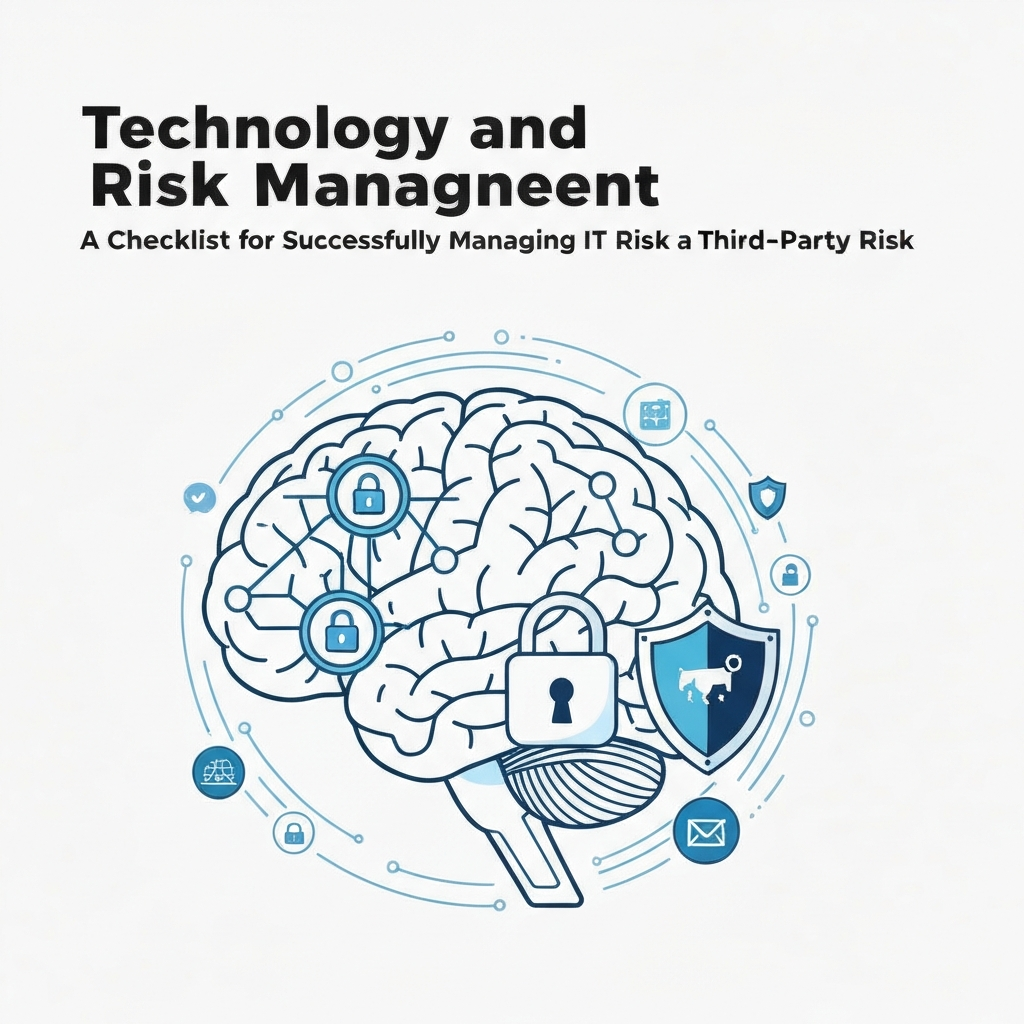
Technology and Risk Management: A Checklist for Successfully Managing IT Risk and Third-Party Risk
Summary
In today’s interconnected world, managing IT and third-party risk is no longer optional; it’s essential for business survival. This guide provides a comprehensive checklist to help you navigate the complex landscape of cyber threats, data breaches, and supply chain vulnerabilities. You’ll learn how to identify, assess, mitigate, and monitor risks effectively, protecting your organization’s assets and reputation.
Introduction
As organizations expand their IT footprints, they inevitably become more vulnerable to cyber threats. A single successful cyberattack can lead to data loss, customer information breaches, intellectual property theft, and business disruptions. The repercussions extend beyond your organization, potentially impacting your supply chain, compliance with regulations, corporate reputation, and revenue streams.
Third parties further complicate the risk landscape. When you entrust your facilities, networks, or data to external suppliers and partners, you expose yourself to potentially devastating financial, reputational, regulatory, operational, and strategic consequences. Remember, the responsibility for risk management ultimately falls on your organization, even when third parties are involved. You can’t assume that a third party is taking all the necessary steps to mitigate threats. This is where a strategic approach to IT risk and third-party risk management becomes critical.
A Checklist for Successfully Managing IT Risk
To effectively manage IT risk, consider this checklist:
1. Risk Identification and Assessment
- Identify Your Assets: Understand what you need to protect. This includes data, systems, networks, and physical assets.
- Identify Threats: Determine potential threats, such as malware, phishing, insider threats, and natural disasters.
- Assess Vulnerabilities: Identify weaknesses in your systems and processes that threats can exploit.
- Analyze Risks: Evaluate the likelihood and impact of each risk. Use a risk matrix to prioritize risks based on their potential severity.
2. Risk Mitigation Strategies
- Implement Security Controls: Deploy firewalls, intrusion detection systems, antivirus software, and access controls to protect your assets.
- Develop Security Policies and Procedures: Create clear guidelines for employees regarding data handling, password management, and acceptable use of IT resources.
- Provide Security Awareness Training: Educate employees about cyber threats and best practices for staying safe online.
- Patch and Update Systems Regularly: Keep your software and hardware up to date to address known vulnerabilities.
- Encrypt Sensitive Data: Protect confidential information by encrypting data both in transit and at rest.
3. Incident Response and Recovery
- Develop an Incident Response Plan: Create a plan that outlines how to handle security incidents, including steps for detection, containment, eradication, and recovery.
- Establish a Backup and Disaster Recovery Plan: Implement a robust backup strategy and plan for restoring critical systems and data in the event of an outage or disaster.
- Test Your Plans Regularly: Conduct drills and simulations to ensure your incident response and disaster recovery plans are effective.
A Checklist for Successfully Managing Third-Party Risk
Managing third-party risk requires a structured approach:
1. Vendor Selection and Due Diligence
- Identify Third Parties: Compile a list of all your third-party vendors and partners.
- Assess Risk Levels: Categorize vendors based on the level of access they have to your data and systems.
- Conduct Due Diligence: Evaluate vendors’ security practices, including their policies, controls, and compliance with industry standards.
- Review Contracts: Ensure contracts include provisions for security, data protection, incident response, and audit rights.
2. Ongoing Monitoring and Management
- Monitor Vendor Performance: Track vendors’ security performance and compliance with contractual obligations.
- Conduct Regular Audits: Perform periodic audits to assess vendors’ security controls and identify any gaps.
- Stay Informed: Keep up-to-date on emerging threats and vulnerabilities that could impact your third parties.
- Establish a Communication Plan: Define clear communication channels for reporting incidents and sharing information with your vendors.
Conclusion
Successfully managing IT and third-party risk is an ongoing process that requires a proactive and strategic approach. By implementing the checklists outlined in this guide, you can significantly reduce your organization’s exposure to cyber threats and protect your valuable assets. Remember to regularly review and update your risk management strategies to adapt to the evolving threat landscape. By staying vigilant and proactive, you can safeguard your organization’s future.
Frequently Asked Questions (FAQ)
1. What are the biggest IT risks facing organizations today?
Some of the biggest IT risks include ransomware attacks, data breaches, phishing scams, insider threats, and supply chain vulnerabilities.
2. How often should we review our risk management plan?
You should review your risk management plan at least annually, or more frequently if there are significant changes in your IT environment, threat landscape, or business operations.
3. What are the key components of a good incident response plan?
A good incident response plan should include steps for preparation, identification, containment, eradication, recovery, and post-incident activity.
4. How can we ensure our third-party vendors are following best security practices?
You can ensure your third-party vendors are following best security practices by conducting thorough due diligence, reviewing their security policies and procedures, monitoring their performance, and conducting regular audits.
“`