
Author : VMWARE
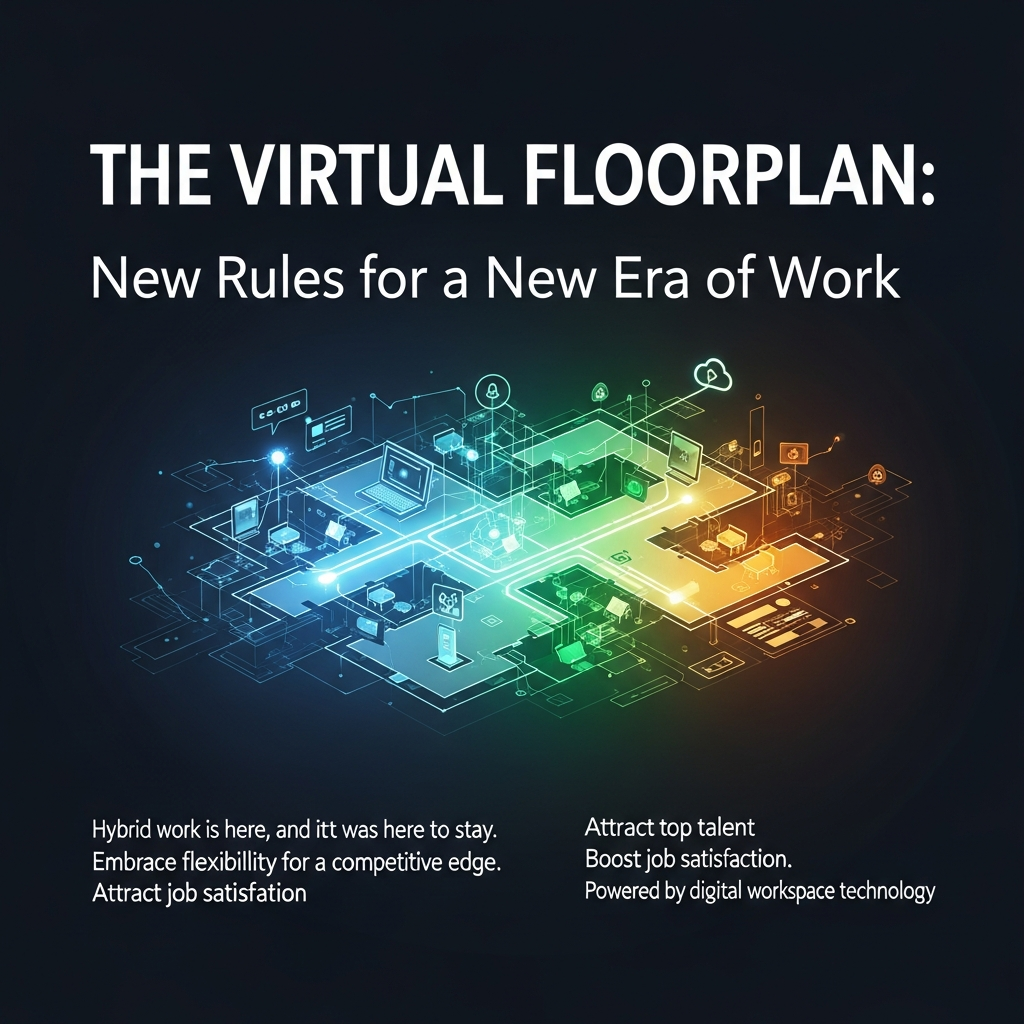
THE VIRTUAL FLOORPLAN: New Rules for a New Era of Work
Introduction
Hybrid work is no longer a futuristic concept; it’s the present. The shift towards remote and hybrid models has been dramatically accelerated by technological advancements, redefining how, when, and where work gets done. You’re likely already experiencing or contemplating this transition. The traditional office setup is evolving, giving way to the virtual floorplan – a dynamic, digital representation of your workplace that’s designed to support a distributed workforce.
In this guide, we’ll explore the essence of the virtual floorplan, its crucial role in the new era of work, and how you can implement it effectively within your organization. We’ll cover key considerations, strategies, and best practices to ensure your virtual workspace fosters productivity, collaboration, and employee well-being.
Understanding the Virtual Floorplan
The virtual floorplan is more than just a digital replica of your physical office space. It’s a carefully curated online environment designed to mimic the functionalities of a physical office, but with added flexibility and enhanced capabilities. It’s the digital ecosystem that supports your hybrid or remote work model, facilitating seamless communication, collaboration, and access to resources.
Think of it as your company’s digital headquarters. It’s where employees connect, collaborate, and access all the tools they need to perform their jobs effectively, regardless of their physical location.
Key Benefits of Embracing a Virtual Floorplan
Adopting a well-designed virtual floorplan offers numerous advantages for both you and your team:
- Enhanced Collaboration: Facilitates real-time communication and project management, breaking down geographical barriers.
- Improved Productivity: Streamlines workflows and provides easy access to essential resources, minimizing distractions.
- Increased Flexibility: Empowers employees with greater control over their work environment, promoting work-life balance.
- Cost Efficiency: Reduces overhead costs associated with physical office space and resources.
- Attracting Top Talent: Positions your company as forward-thinking and appealing to a wider pool of candidates.
Essential Components of a Successful Virtual Floorplan
Creating a robust virtual floorplan requires careful consideration of several key elements:
- Communication Platforms: Implement unified communication tools like Slack, Microsoft Teams, or similar platforms to enable instant messaging, video conferencing, and file sharing.
- Project Management Software: Utilize platforms such as Asana, Trello, or Jira to assign tasks, track progress, and ensure accountability.
- Cloud Storage: Leverage cloud-based storage solutions like Google Drive, Dropbox, or OneDrive for easy access and collaboration on documents.
- Virtual Meeting Spaces: Integrate video conferencing tools (Zoom, Google Meet) and virtual whiteboards for meetings and brainstorming sessions.
- Digital Signage and Announcements: Use digital signage to broadcast important announcements, company news, and team achievements.
- Cybersecurity Measures: Implement robust security protocols to protect sensitive data and maintain privacy.
Tips for Optimizing Your Virtual Floorplan
To maximize the effectiveness of your virtual floorplan, consider these best practices:
- Establish Clear Communication Protocols: Define communication channels for various types of information (urgent vs. non-urgent, project-related, etc.) to avoid information overload.
- Foster a Culture of Transparency: Encourage open communication and knowledge sharing within your virtual workspace.
- Invest in Training: Provide employees with comprehensive training on the tools and platforms used within the virtual floorplan.
- Encourage Regular Virtual Socialization: Schedule virtual coffee breaks, team-building activities, and virtual happy hours to foster camaraderie.
- Prioritize Employee Well-being: Promote mental health resources and provide options for flexible work schedules to support work-life balance.
- Regularly Evaluate and Iterate: Seek feedback from your team and continuously adapt your virtual floorplan based on their needs and experiences.
Conclusion
The virtual floorplan is not just a trend; it’s a fundamental shift in how we approach work. By embracing a well-designed virtual floorplan, you can create a more agile, productive, and employee-centric work environment. It’s an investment in the future of work, one that promises greater flexibility, increased efficiency, and a more engaged and satisfied workforce.
Take the first step today. Assess your current setup, identify areas for improvement, and implement the strategies outlined in this guide. You’ll be well on your way to thriving in the new era of work.
FAQ’s
What is the main difference between a virtual floorplan and a physical office?
The virtual floorplan is a digital representation of your workplace, designed to support remote or hybrid work. It focuses on digital tools for communication, collaboration, and resource access, while a physical office is a physical space where employees work.
How can I measure the success of my virtual floorplan?
Key metrics include employee satisfaction, productivity levels, communication efficiency, project completion rates, and cost savings. Regular surveys and feedback sessions are also essential.
What if my team is resistant to using a virtual floorplan?
Provide training, address their concerns, highlight the benefits, and lead by example. Start with a pilot program and gather feedback to make the transition smoother. Celebrate successes to build momentum.
Is a virtual floorplan suitable for all types of businesses?
While the virtual floorplan is highly versatile, its suitability depends on the nature of the work. Businesses that rely heavily on in-person interactions may need to implement a hybrid approach. Evaluate your specific needs and tailor your virtual floorplan accordingly.
“`