
Author : FORTINET
“`html
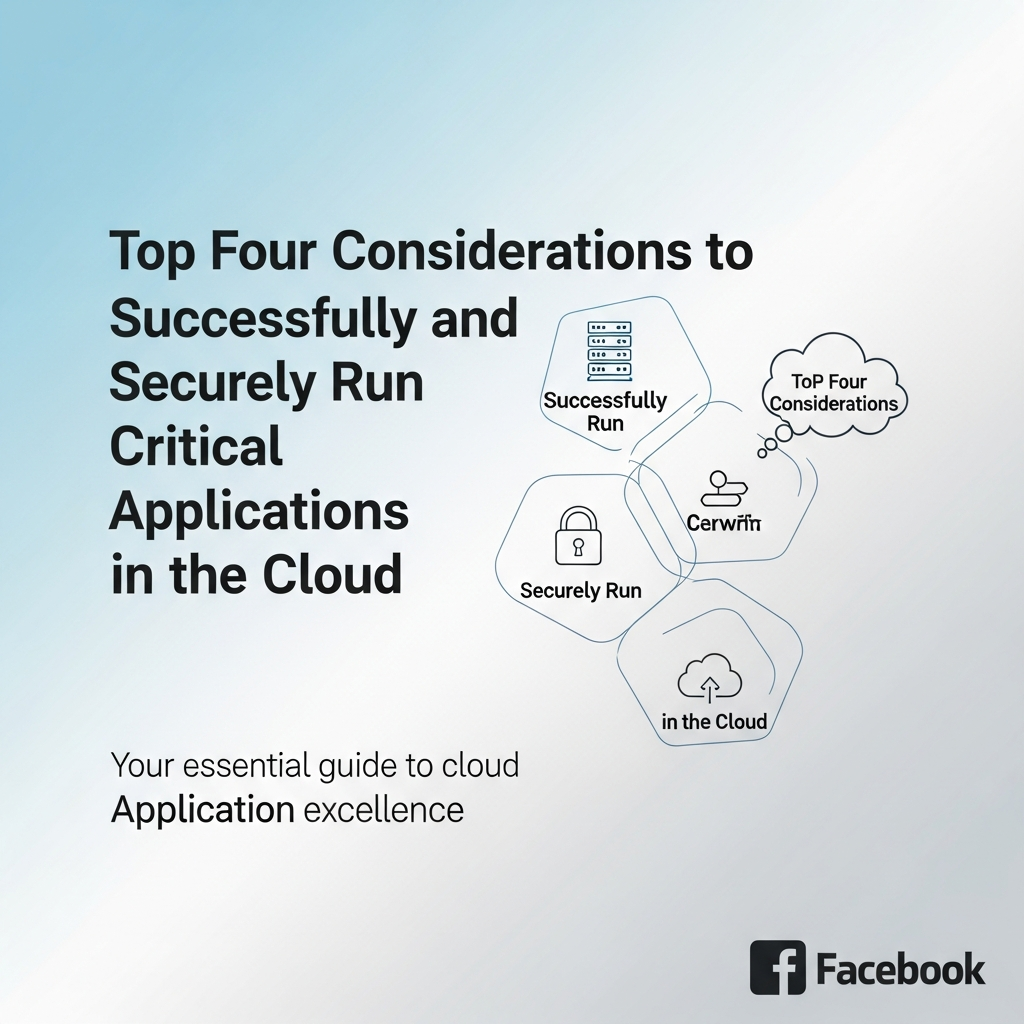
Top Four Considerations to Successfully and Securely Run Critical Applications in the Cloud
Today, the cloud is no longer a futuristic concept; it’s the operational backbone for nearly all organizations, driving modernization, innovation, and growth. The 2022 Cloud Security Report revealed that almost 40% of enterprises are running more than half of their workloads in the cloud, and this number is projected to reach nearly 60% by 2024. As you migrate your critical applications to the cloud, ensuring their security and smooth operation is paramount. This guide provides you with the top four considerations to successfully and securely run your critical applications in the cloud.
1. Prioritize Robust Security Measures
Security should be your top priority when moving critical applications to the cloud. You must implement comprehensive security measures from the outset.
- Implement Strong Access Controls: Utilize multi-factor authentication (MFA) and role-based access control (RBAC) to limit access to sensitive data and resources. Regularly review and update access permissions.
- Data Encryption: Encrypt data both in transit and at rest. Employ encryption keys and manage them securely.
- Continuous Monitoring and Threat Detection: Implement real-time monitoring and threat detection systems to identify and respond to security incidents promptly. Use Security Information and Event Management (SIEM) tools.
- Regular Security Audits: Conduct regular security audits and vulnerability assessments to identify and address weaknesses in your cloud environment.
2. Optimize for Performance and Scalability
Ensure your applications perform optimally and can scale to meet demand. The cloud offers unparalleled scalability, but you must architect your applications to take advantage of it.
- Choose the Right Cloud Services: Select cloud services that best suit your application’s needs. Consider compute, storage, and database options.
- Optimize Application Code: Ensure your application code is efficient and optimized for the cloud environment.
- Implement Auto-Scaling: Configure auto-scaling to automatically adjust resources based on demand. This ensures optimal performance and cost efficiency.
- Regular Performance Testing: Conduct regular performance testing to identify bottlenecks and areas for improvement.
3. Ensure Business Continuity and Disaster Recovery
Protect your critical applications from downtime and data loss by implementing robust business continuity and disaster recovery (BCDR) plans.
- Data Backup and Recovery: Implement a comprehensive data backup and recovery strategy. Regularly back up your data and test your recovery procedures.
- Redundancy and High Availability: Design your application architecture with redundancy and high availability in mind. Utilize multiple availability zones and regions.
- Disaster Recovery Planning: Develop a detailed disaster recovery plan that outlines steps to recover your applications in case of a major outage.
- Regular Testing of BCDR Plans: Regularly test your BCDR plans to ensure they are effective and up-to-date.
4. Manage Costs Effectively
Cloud costs can quickly escalate if not managed properly. Implement strategies to control and optimize your cloud spending.
- Cost Monitoring and Analysis: Implement cost monitoring and analysis tools to track your cloud spending.
- Right-Sizing Resources: Ensure you are using the appropriate size of resources for your applications. Avoid over-provisioning.
- Utilize Reserved Instances and Savings Plans: Take advantage of reserved instances and savings plans to reduce your cloud costs.
- Automate Cost Optimization: Automate cost optimization tasks, such as turning off unused resources.
Conclusion
Successfully and securely running critical applications in the cloud requires a proactive and comprehensive approach. By prioritizing robust security, optimizing for performance and scalability, ensuring business continuity, and managing costs effectively, you can maximize the benefits of the cloud while minimizing risks. Embrace these considerations to empower your organization with the agility, innovation, and efficiency the cloud offers.
Frequently Asked Questions (FAQ)
What is the biggest security challenge in the cloud?
One of the biggest security challenges in the cloud is misconfiguration. Incorrectly configured cloud services can leave your data and applications vulnerable to attacks. Regular audits and security assessments are crucial to address this.
How can I ensure my cloud applications are scalable?
Implement auto-scaling, choose the right cloud services, and optimize your application code for the cloud environment. Regularly monitor performance and conduct load tests to identify and address bottlenecks.
What are the key components of a disaster recovery plan?
A disaster recovery plan should include data backup and recovery procedures, redundancy and high availability measures, and detailed steps to recover applications in case of an outage. Regular testing of the plan is also essential.
How do I optimize cloud costs?
Implement cost monitoring and analysis tools, right-size your resources, utilize reserved instances and savings plans, and automate cost optimization tasks.
“`