
Author : ISMG INFORMATION SECURITY
“`html
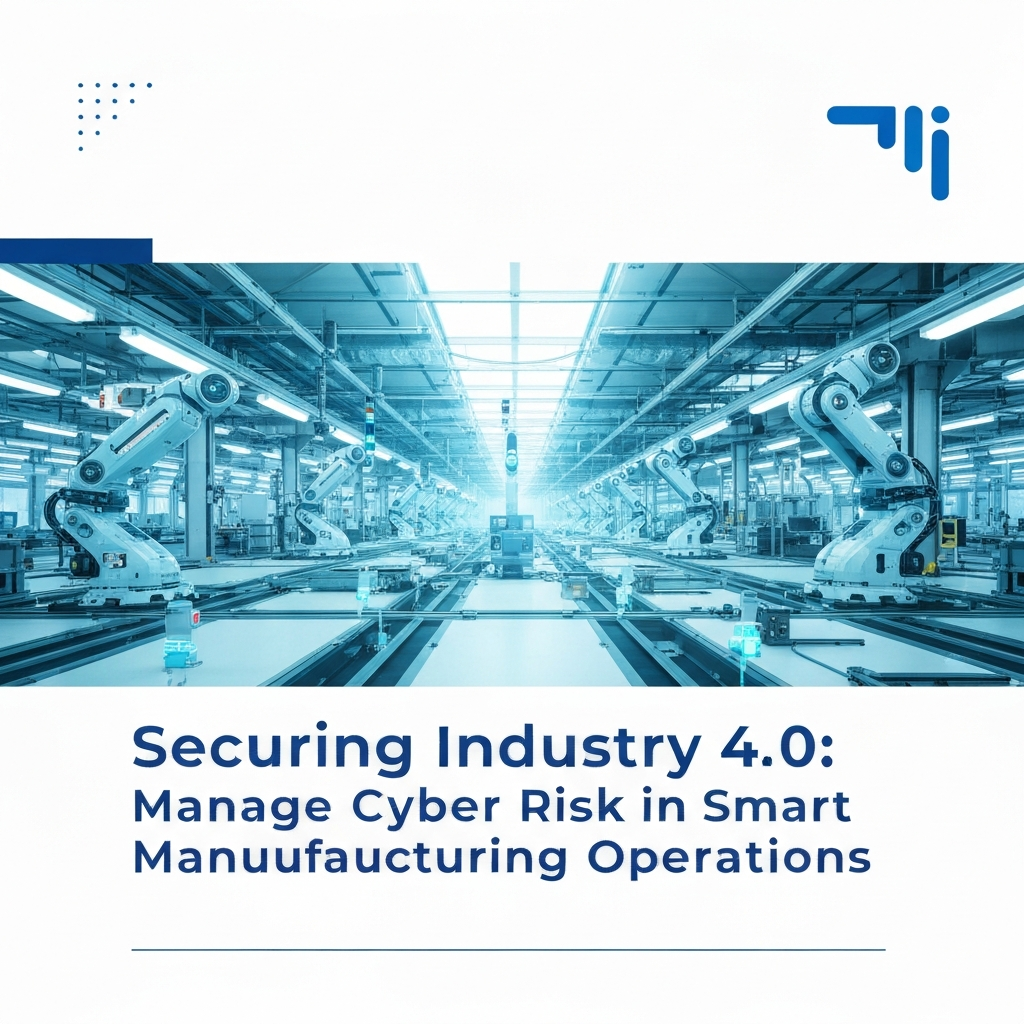
Securing Industry 4.0: Manage Cyber Risk in Smart Manufacturing Operations
Summary
The Fourth Industrial Revolution (Industry 4.0) has transformed manufacturing, but it has also introduced new cybersecurity challenges. This guide provides actionable insights to help you understand and manage cyber risks in your smart manufacturing operations. We’ll explore the current state of Industry 4.0 cybersecurity, digital transformation initiatives, and barriers to progress, drawing from expert analysis and survey findings.
Introduction
Welcome to the era of smart manufacturing! Industry 4.0, characterized by automation, cloud migration, and interconnected devices, promises unprecedented efficiency and customer engagement. However, this evolution has dramatically expanded the attack surface, making your operations vulnerable to cyber threats. From nation-state actors to cybercriminals, adversaries are increasingly targeting smart manufacturing environments to disrupt operations or steal valuable intellectual property. The key question is: How prepared are you to secure Industry 4.0?
This guide serves as your roadmap. We delve into the crucial aspects of cybersecurity in smart manufacturing, providing insights and recommendations to fortify your defenses and ensure the resilience of your operations.
The State of Industry 4.0 Cybersecurity
The convergence of Information Technology (IT) and Operational Technology (OT) is a defining characteristic of Industry 4.0. While this integration offers significant benefits, it also creates new vulnerabilities. Legacy systems, the lack of OT security expertise, and the increasing sophistication of cyberattacks present formidable challenges.
Consider these key factors:
- Expanded Attack Surface: The proliferation of connected devices and systems increases the points of entry for attackers.
- Legacy Systems: Many OT systems were not designed with security in mind, making them susceptible to modern threats.
- Skills Gap: A shortage of cybersecurity professionals with OT expertise exacerbates the challenge.
- Increased Threat Landscape: Nation-state actors and cybercriminals are actively targeting industrial environments.
Key Digital Transformation Initiatives and their Security Implications
Digital transformation initiatives are at the heart of Industry 4.0. From cloud adoption to the implementation of advanced analytics, these initiatives offer significant opportunities. However, each initiative introduces new security considerations.
Consider these points for Digital Transformation Initiatives:
- Cloud Migration: Secure your cloud infrastructure with robust access controls, encryption, and regular security audits.
- IoT Implementation: Implement strong authentication, segmentation, and monitoring for all IoT devices.
- Data Analytics: Protect sensitive data with encryption, access controls, and data loss prevention measures.
- Remote Access: Secure remote access points with multi-factor authentication and intrusion detection systems.
Potential Barriers Inhibiting Digital Transformation
Several barriers can hinder your progress in securing Industry 4.0. Understanding and addressing these challenges is crucial for success.
- Lack of Budget: Allocate sufficient resources to cybersecurity, recognizing it as a strategic investment, not just an expense.
- Skills Shortage: Invest in training and development, and consider partnerships with managed security service providers (MSSPs).
- Integration Challenges: Develop a phased approach to integrate security into existing systems.
- Lack of Awareness: Foster a culture of cybersecurity awareness through training and communication at all levels of the organization.
How to Enhance Your Cybersecurity Posture
Here are actionable steps to enhance your cybersecurity posture and secure your Industry 4.0 operations:
- Conduct a Risk Assessment: Identify vulnerabilities and prioritize your security efforts.
- Implement a Defense-in-Depth Strategy: Use multiple layers of security controls.
- Establish Security Policies and Procedures: Develop clear guidelines for employees and contractors.
- Invest in Security Technologies: Deploy firewalls, intrusion detection systems, and endpoint protection.
- Train Your Workforce: Educate employees about cybersecurity threats and best practices.
- Monitor and Respond to Threats: Implement continuous monitoring and incident response plans.
- Regularly Update and Patch Systems: Keep all software and hardware up to date.
- Consider Cyber Insurance: Mitigate financial risks with cyber insurance coverage.
Conclusion
Securing Industry 4.0 is an ongoing journey, not a destination. By understanding the evolving threat landscape, proactively managing risks, and implementing robust security measures, you can protect your smart manufacturing operations. Embrace a proactive and strategic approach to cybersecurity, and empower your organization to thrive in the digital age. By taking the right steps, you can harness the full potential of Industry 4.0 while minimizing your cyber risk.
Frequently Asked Questions (FAQ)
What are the biggest cyber threats to Industry 4.0?
The biggest threats include ransomware, supply chain attacks, and attacks targeting OT systems. Nation-state actors and cybercriminals are the primary sources of these threats.
How can I secure my OT environment?
Implement network segmentation, use strong authentication, monitor for anomalies, and regularly update your systems. Consider a zero-trust model.
What is the role of the cloud in Industry 4.0 security?
The cloud can enhance security with features like centralized management, automated updates, and scalability. However, it’s critical to secure your cloud infrastructure, using proper configurations, encryption, and access controls.
How important is employee training?
Employee training is crucial. Educated employees are less likely to fall victim to phishing attacks and are better equipped to identify and report suspicious activity.
“`