
Author : VMWARE
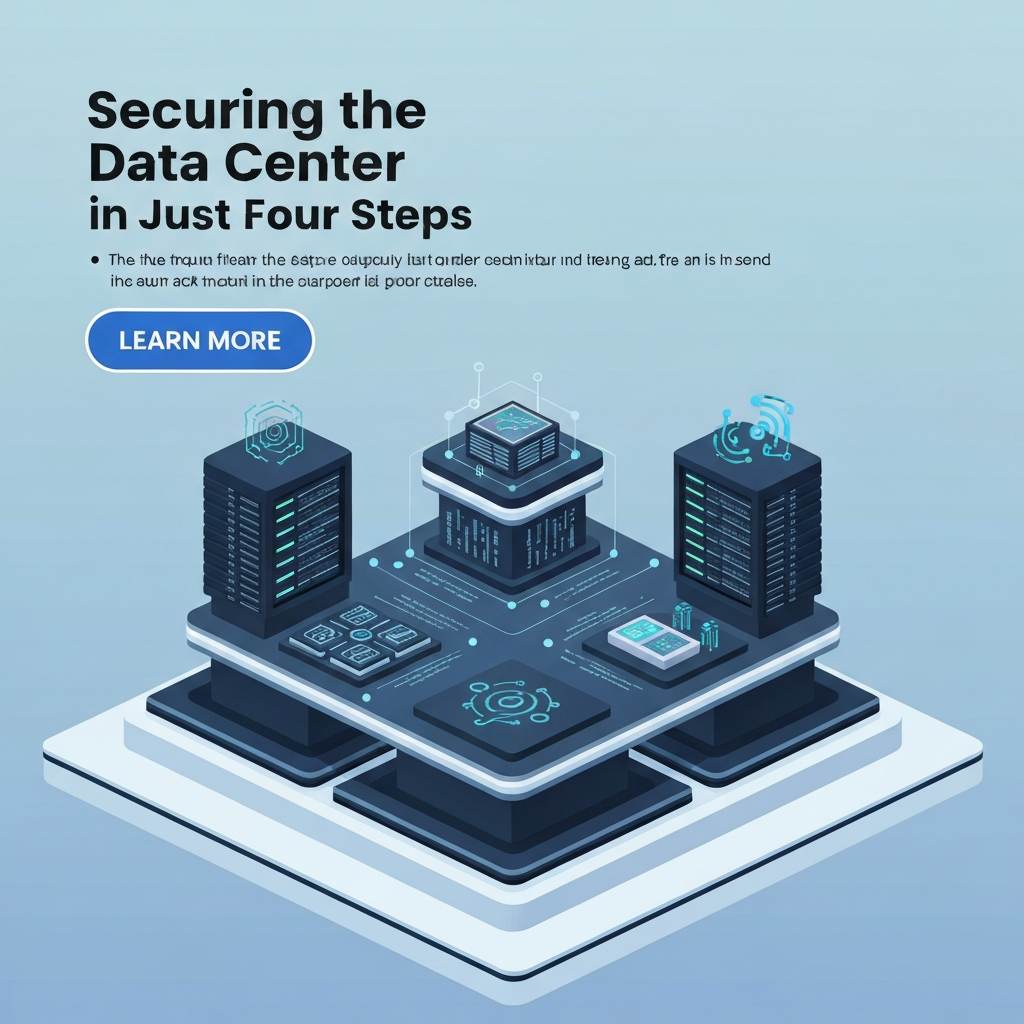
Securing the Data Center in Just Four Steps
In today’s digital landscape, the data center is the heart of your organization, housing critical data and applications. With cyber threats becoming increasingly sophisticated, securing your data center is no longer optional—it’s essential. This guide provides a straightforward, actionable approach to fortifying your data center security in just four steps.
Introduction
The traditional perimeter firewall, once the cornerstone of data center security, is no longer enough. The rise of distributed applications, dynamic workloads, and sophisticated cyberattacks demands a new approach. This blog post will guide you through the process of enhancing your security posture, ensuring that your data center remains resilient against evolving threats. We’ll move beyond the outdated concept of relying solely on perimeter defenses and delve into a proactive, layered security strategy tailored for the modern data center.
Step 1: Segment Your Network
Network segmentation is the foundation of a robust security strategy. By dividing your data center into isolated segments, you can limit the impact of a security breach. If an attacker gains access to one segment, they won’t automatically have access to the entire network. This approach significantly reduces the attack surface.
- Micro-segmentation: Implement micro-segmentation to isolate workloads at the application or even process level.
- Define Zones: Create logical zones based on function, sensitivity, and trust levels (e.g., PCI zone, Development zone).
- Enforce Access Controls: Use network access control lists (ACLs) or software-defined networking (SDN) to control traffic flow between segments.
Step 2: Implement Zero Trust Principles
The Zero Trust model operates on the principle of “never trust, always verify.” This approach assumes that no user or device, whether inside or outside the network, should be implicitly trusted. Instead, all access requests must be authenticated, authorized, and continuously validated.
- Verify all users and devices: Implement multi-factor authentication (MFA) for all access.
- Granular Access Control: Enforce least-privilege access, granting users only the minimum permissions necessary for their tasks.
- Monitor and Log: Continuously monitor network traffic and user activity, logging all events for analysis and threat detection.
Step 3: Deploy Advanced Threat Detection and Prevention
Traditional security measures may not be enough to identify and prevent advanced threats. Enhance your security posture by implementing advanced threat detection and prevention systems that can identify and respond to malicious activities in real-time.
- Intrusion Detection and Prevention Systems (IDS/IPS): Deploy IDS/IPS to monitor network traffic for suspicious activity and automatically block malicious traffic.
- Security Information and Event Management (SIEM): Integrate a SIEM system to collect and analyze security logs from various sources, providing a centralized view of security events.
- Endpoint Detection and Response (EDR): Implement EDR solutions to monitor and respond to threats on endpoints, such as servers and workstations.
Step 4: Automate and Orchestrate Security Operations
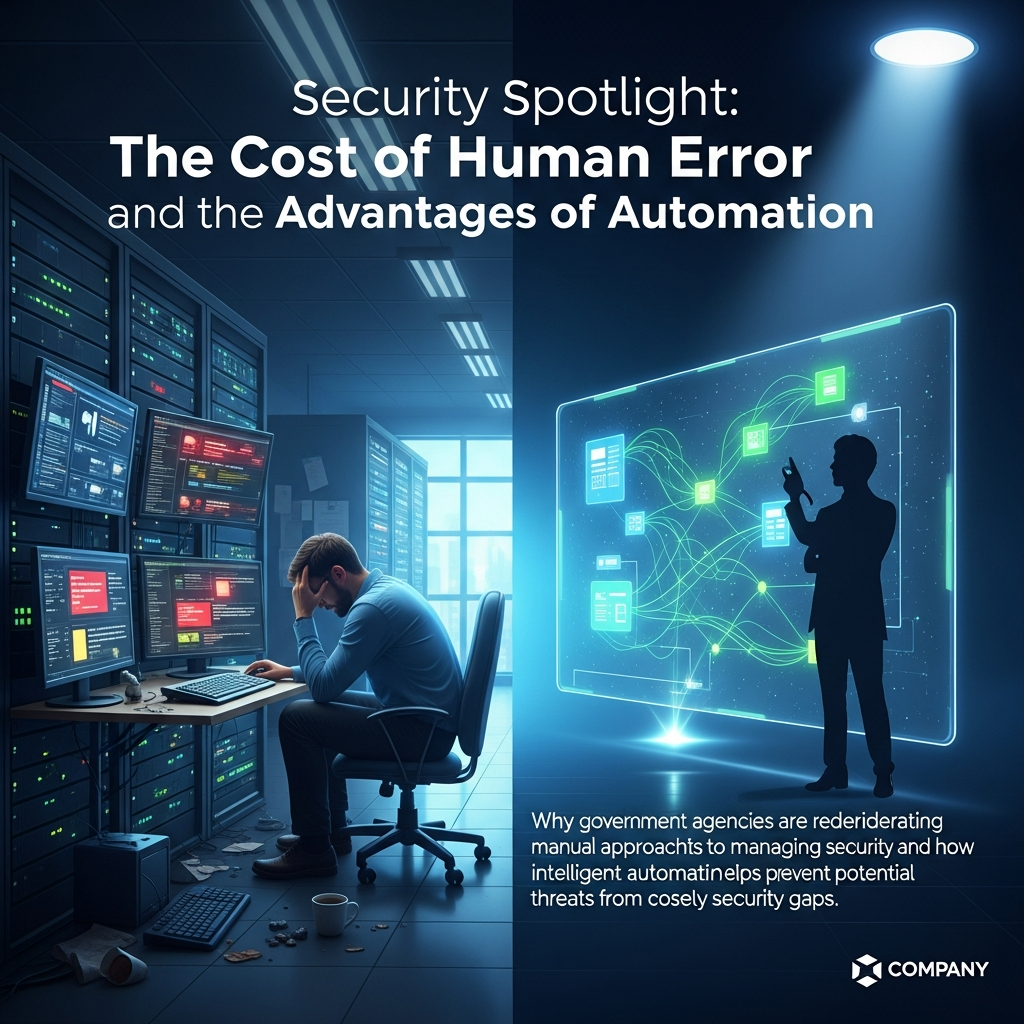
Manual security processes are time-consuming and prone to human error. Automation and orchestration can streamline security operations, improve response times, and reduce the risk of vulnerabilities.
- Security Orchestration, Automation, and Response (SOAR): Implement SOAR tools to automate security tasks, such as incident response, threat hunting, and vulnerability management.
- Automated Patch Management: Automate the patching of systems and applications to address known vulnerabilities quickly.
- Infrastructure as Code (IaC): Use IaC to define and manage security configurations, ensuring consistency and reducing configuration errors.
Conclusion
Securing your data center is an ongoing process, not a one-time project. By implementing these four steps, you can significantly improve your security posture and protect your valuable assets. Remember to regularly review and update your security measures to stay ahead of emerging threats. Your data center’s security is an investment in your organization’s future.
FAQ’s
Q: Is network segmentation complex to implement?
A: While it requires planning, modern tools and technologies like SDN have made network segmentation more manageable. Start with a phased approach.
Q: What is the role of the Zero Trust model?
A: The Zero Trust model ensures that every user and device is verified before access to resources is granted.
Q: Why is automation important for data center security?
A: Automation reduces the time required to respond to security incidents, minimizes human error, and improves overall efficiency.
“`