

Author : PALOALTO
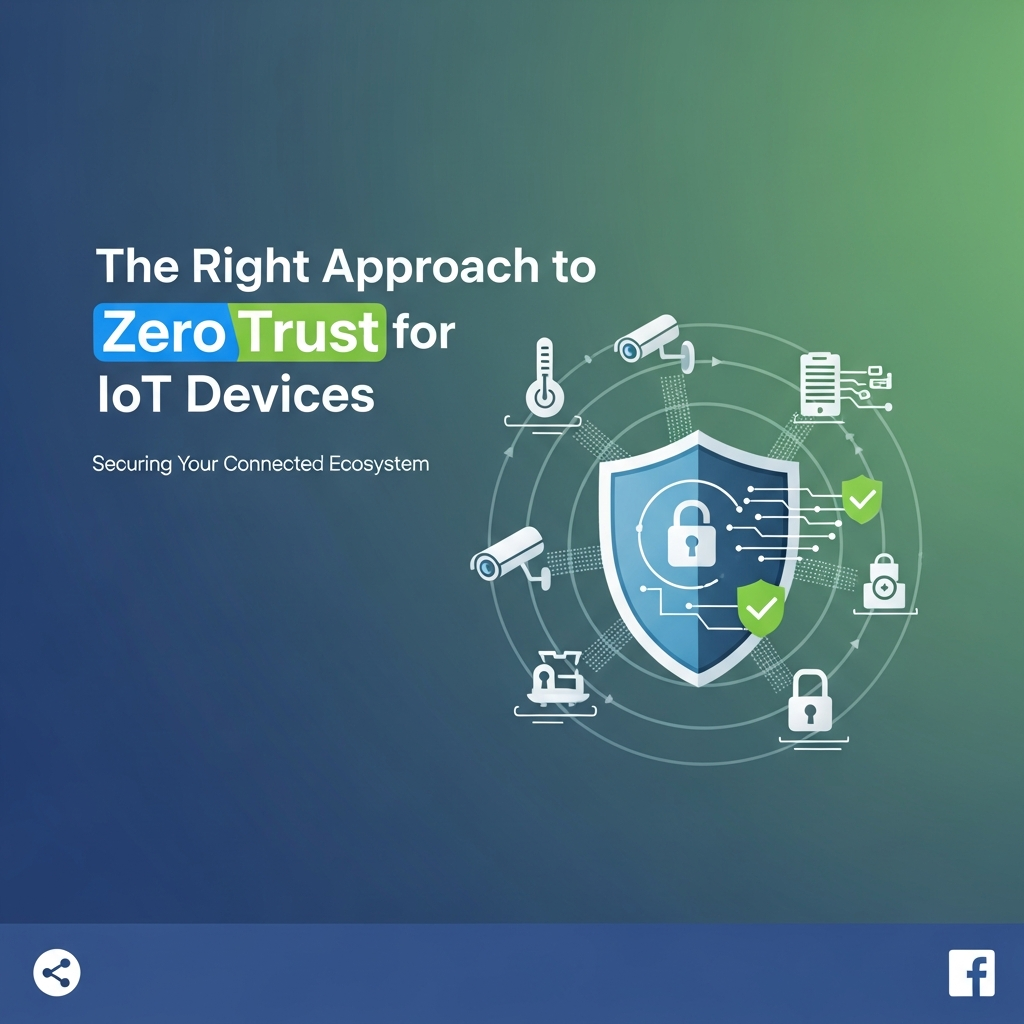
The Right Approach to Zero Trust for IoT Devices
Summary
In this guide, you’ll discover how to implement a Zero Trust security model for your IoT devices. We’ll explore the challenges of securing IoT, the core principles of Zero Trust, and practical steps to protect your network. By adopting a Zero Trust approach, you can significantly reduce your attack surface and protect your valuable data.
Introduction
In today’s interconnected world, the proliferation of Internet of Things (IoT) devices has transformed industries and everyday life. From smart home appliances to industrial sensors, these devices generate massive amounts of data and offer unprecedented convenience. However, this rapid expansion also introduces significant security challenges. Traditional network security models, which often rely on a perimeter-based approach, are no longer sufficient to protect against the evolving threat landscape.
Historically, networking and security teams have relied on perimeter-based security, assuming everything inside the network is trustworthy. However, the rise of remote work, cloud computing, and the sheer number of IoT devices has shattered this assumption. Now, you need a more robust and adaptable security model.
This is where Zero Trust comes in. Zero Trust is a security framework that operates on the principle of “never trust, always verify.” It assumes that no user or device, whether inside or outside the network, should be automatically trusted. Instead, every access request must be authenticated, authorized, and continuously validated.
Understanding the Challenge of Securing IoT Devices
IoT devices present unique security challenges:
- Diversity: IoT devices come in various forms, from simple sensors to complex industrial equipment, each with different capabilities and security features.
- Limited Resources: Many IoT devices have limited processing power, memory, and battery life, making it difficult to implement strong security measures.
- Lack of Updates: Many devices lack regular security updates, leaving them vulnerable to known exploits.
- Distributed Deployment: IoT devices are often deployed across a wide geographical area, making it difficult to manage and monitor them centrally.
- Physical Security: Many IoT devices are physically accessible, making them susceptible to tampering and unauthorized access.
The Core Principles of Zero Trust for IoT
Implementing Zero Trust for IoT devices requires a shift in mindset and a commitment to several core principles:
- Verify Explicitly: Always authenticate and authorize based on all available data points, including identity, location, device health, and more.
- Assume Breach: Operate under the assumption that a breach is inevitable and design security measures to limit the impact.
- Least Privilege Access: Grant users and devices only the minimum necessary access to perform their tasks.
- Microsegmentation: Divide the network into small, isolated segments to limit lateral movement if a device is compromised.
- Continuous Monitoring: Continuously monitor all network activity and user behavior to detect and respond to threats in real-time.
Implementing Zero Trust for Your IoT Devices: A Step-by-Step Guide
Follow these steps to implement a Zero Trust model for your IoT devices:
- Inventory and Classification: Create a detailed inventory of all IoT devices on your network. Classify devices based on their function, sensitivity of data, and risk profile.
- Identity and Access Management (IAM): Implement strong authentication and authorization mechanisms. Use multi-factor authentication (MFA) and role-based access control (RBAC) to ensure only authorized users and devices can access resources.
- Network Segmentation: Segment your network to isolate IoT devices from other parts of your network. This limits the impact of a potential breach.
- Device Hardening: Secure each device by implementing security best practices. This includes updating firmware, changing default passwords, and disabling unnecessary services.
- Continuous Monitoring and Threat Detection: Implement tools for continuous monitoring of network traffic, device behavior, and security logs. Use threat detection systems to identify and respond to suspicious activity.
- Automated Security Policies: Automate security policies and responses to reduce manual intervention and speed up threat response times.
- Regular Audits and Assessments: Conduct regular security audits and vulnerability assessments to identify and address security weaknesses.
Key Factors for a Successful Implementation
- Strong Leadership and Buy-in: Ensure that your leadership team and all stakeholders understand the importance of Zero Trust and are committed to its implementation.
- Cross-Functional Collaboration: Foster collaboration between IT, security, and operations teams.
- Choose the Right Tools: Select security tools that are designed to support a Zero Trust architecture.
- Training and Awareness: Provide training and awareness programs to educate employees about the principles of Zero Trust and how to follow security best practices.
Conclusion
Implementing a Zero Trust approach for your IoT devices is essential for protecting your organization from modern cyber threats. By following the principles and steps outlined in this guide, you can significantly enhance your security posture and minimize the risks associated with IoT devices. Embrace the Zero Trust model and take control of your security today!
Frequently Asked Questions (FAQ)
What is Zero Trust?
Zero Trust is a security model that assumes no user or device should be trusted by default, regardless of whether they are inside or outside the network perimeter. Every access request must be authenticated and authorized.
Why is Zero Trust important for IoT?
IoT devices are often vulnerable and lack robust security measures. Zero Trust helps to mitigate the risks associated with these devices by continuously verifying access and limiting the potential impact of a breach.
What are the key components of a Zero Trust architecture?
Key components include identity and access management, network segmentation, device security, continuous monitoring, and automated security policies.
How do I get started with Zero Trust for IoT?
Start by inventorying your devices, implementing strong authentication, segmenting your network, hardening your devices, and implementing continuous monitoring.
“`