
Author : DOCUSIGN
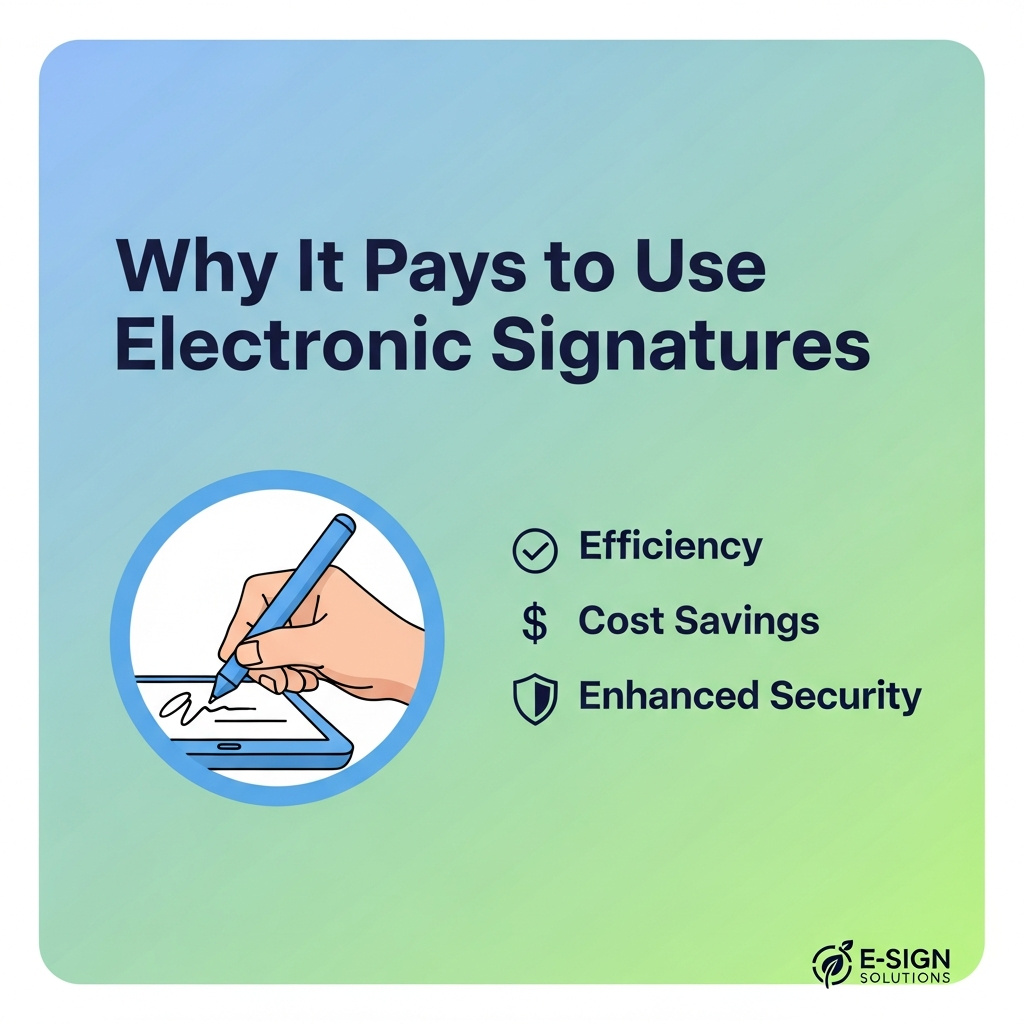
Why It Pays to Use Electronic Signatures
In today’s fast-paced digital world, where online consumers demand immediate gratification and personalized experiences, your organization’s processes need to be just as efficient. Think about your contracts, agreements, and approvals – are they keeping up? The business world has embraced online transactions as the standard. Electronic signatures (e-signatures) are at the forefront of this shift, helping businesses of all sizes leave behind outdated paper-based processes and exceed the expectations of a digital-first world.
Introduction: Embracing the Digital Transformation
Let’s face it: slow, paper-based processes are a drag. They’re time-consuming, costly, and prone to errors. E-signatures offer a streamlined solution, allowing you to sign documents from anywhere, at any time, on any device. This guide explores the significant advantages of adopting e-signatures, helping you understand how they can revolutionize your business operations.
The Key Benefits of Electronic Signatures
Why should you make the switch? Here are the key factors:
- Increased Efficiency: Say goodbye to printing, scanning, and mailing. E-signatures accelerate the signing process, saving you valuable time.
- Cost Reduction: Eliminate expenses related to paper, ink, postage, and storage. E-signatures offer significant cost savings.
- Enhanced Security: E-signature platforms often include robust security features, such as audit trails, encryption, and signer authentication, ensuring the integrity of your documents.
- Improved Compliance: E-signatures help you meet regulatory requirements and maintain a clear audit trail for all your signed documents.
- Better Customer Experience: Provide your customers with a seamless, user-friendly signing experience, improving satisfaction and loyalty.
- Environmental Friendliness: Reduce your carbon footprint by going paperless and contributing to a more sustainable environment.
How to Implement Electronic Signatures Effectively
Ready to make the leap? Here are some tips to ensure a smooth transition:
- Choose the Right Platform: Research and select an e-signature platform that meets your specific needs, considering features like security, integration capabilities, and ease of use.
- Train Your Team: Provide adequate training to your employees on how to use the e-signature platform effectively.
- Integrate with Existing Systems: Look for a platform that integrates seamlessly with your current systems, such as CRM and document management software.
- Ensure Legal Compliance: Familiarize yourself with the legal requirements for e-signatures in your region to ensure compliance.
- Communicate with Stakeholders: Clearly communicate the benefits of e-signatures to your team, customers, and partners to gain buy-in and encourage adoption.
Real-World Examples
Many businesses have already experienced the transformative power of e-signatures. For example, real estate companies can expedite the closing process, while HR departments can streamline onboarding. Consider these scenarios:
- Sales: Close deals faster by enabling clients to sign contracts remotely.
- HR: Expedite onboarding paperwork for new hires.
- Legal: Securely manage and store legal documents.
Conclusion: The Future is Digital
Embracing electronic signatures is not just a trend; it’s a strategic move that can significantly benefit your business. By increasing efficiency, reducing costs, and enhancing security, you can create a better experience for your customers and employees. Are you ready to join the digital revolution and unlock the power of e-signatures? Now is the time to embrace this transformative technology and experience the benefits firsthand. Don’t let your business fall behind.
Frequently Asked Questions (FAQs)
Here are some common questions about electronic signatures:
“`